
Kimia Lotfi
[Vitrine] Transparent Threshold
Thesis Project Summer Term 26
We move through spaces where we can see but not touch, and where we are seen without choosing it. This everyday condition is the starting point for the project. Light passes freely through glass, but transparency does not automatically mean access. Architecture has often assumed that “transparent” means “open,” but this project begins exactly where that assumption breaks down—in the space between seeing and touching.
The project starts with the vitrine: a device that reveals, protects, and commodifies, while keeping visibility and access separate on purpose. Instead of treating transparency as a material property or as a synonym for openness, the project treats it as a perceptual and spatial condition—one that can produce connection and distance, exposure and privacy, attraction and discomfort at the same time.
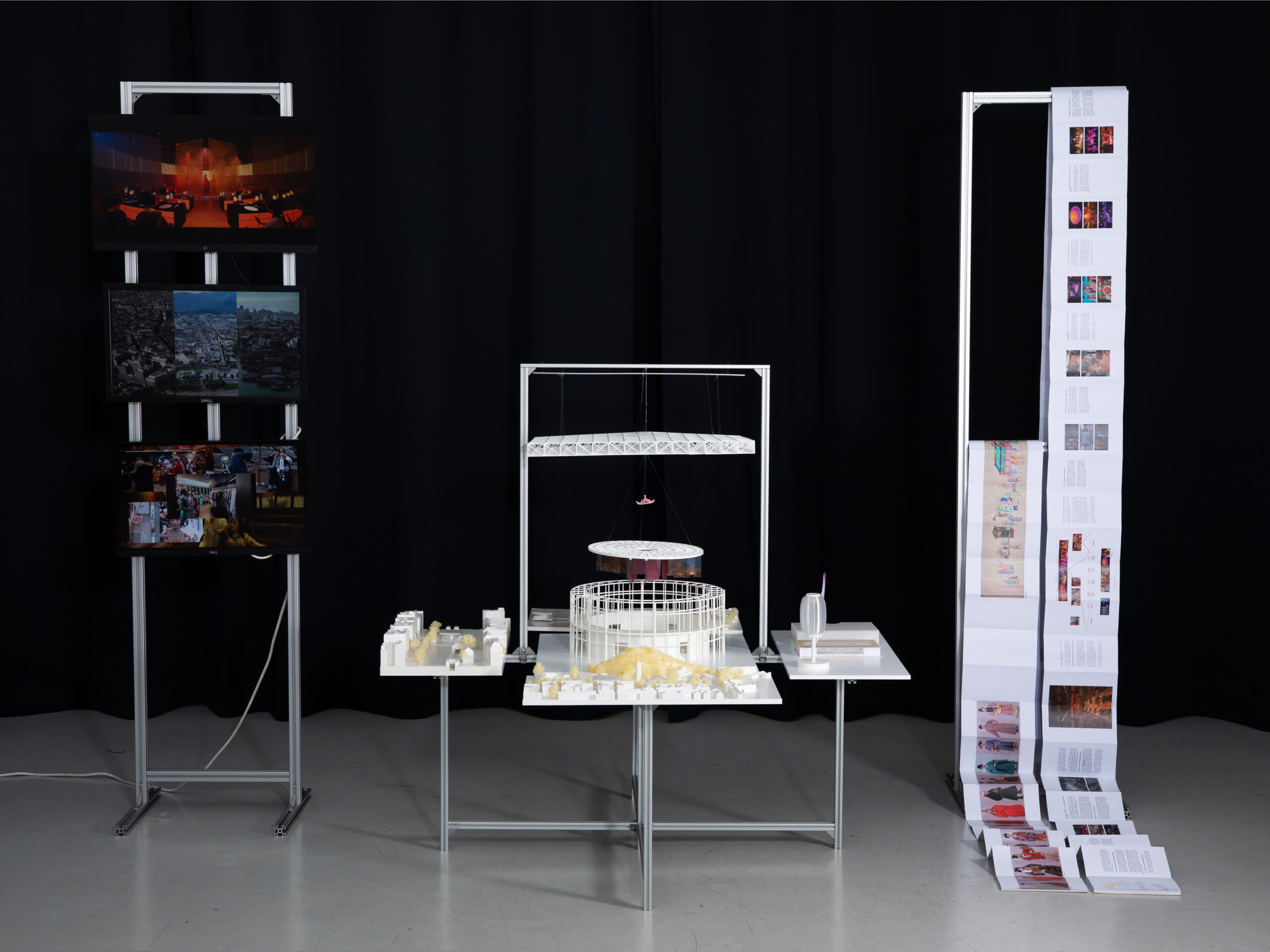
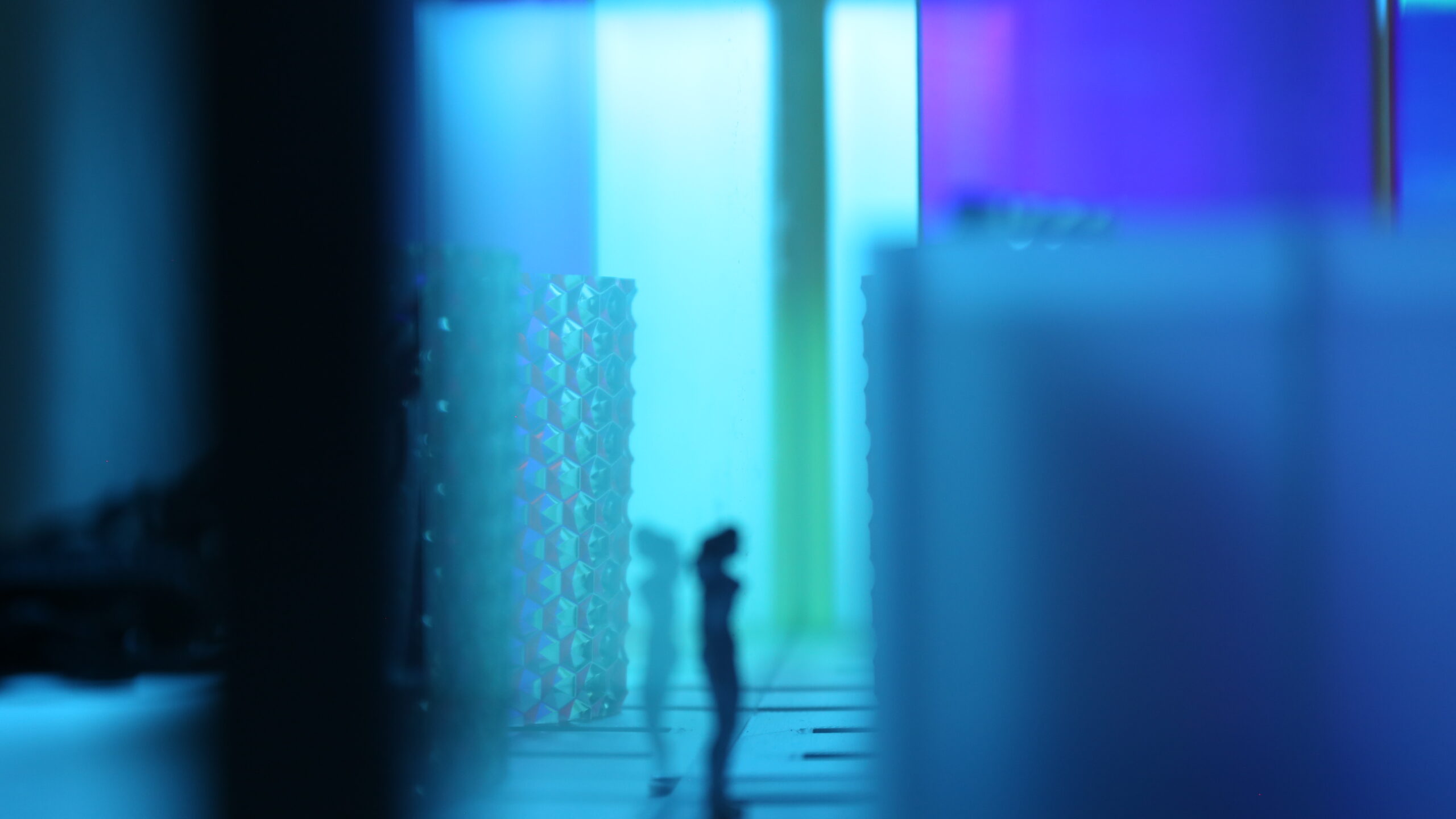
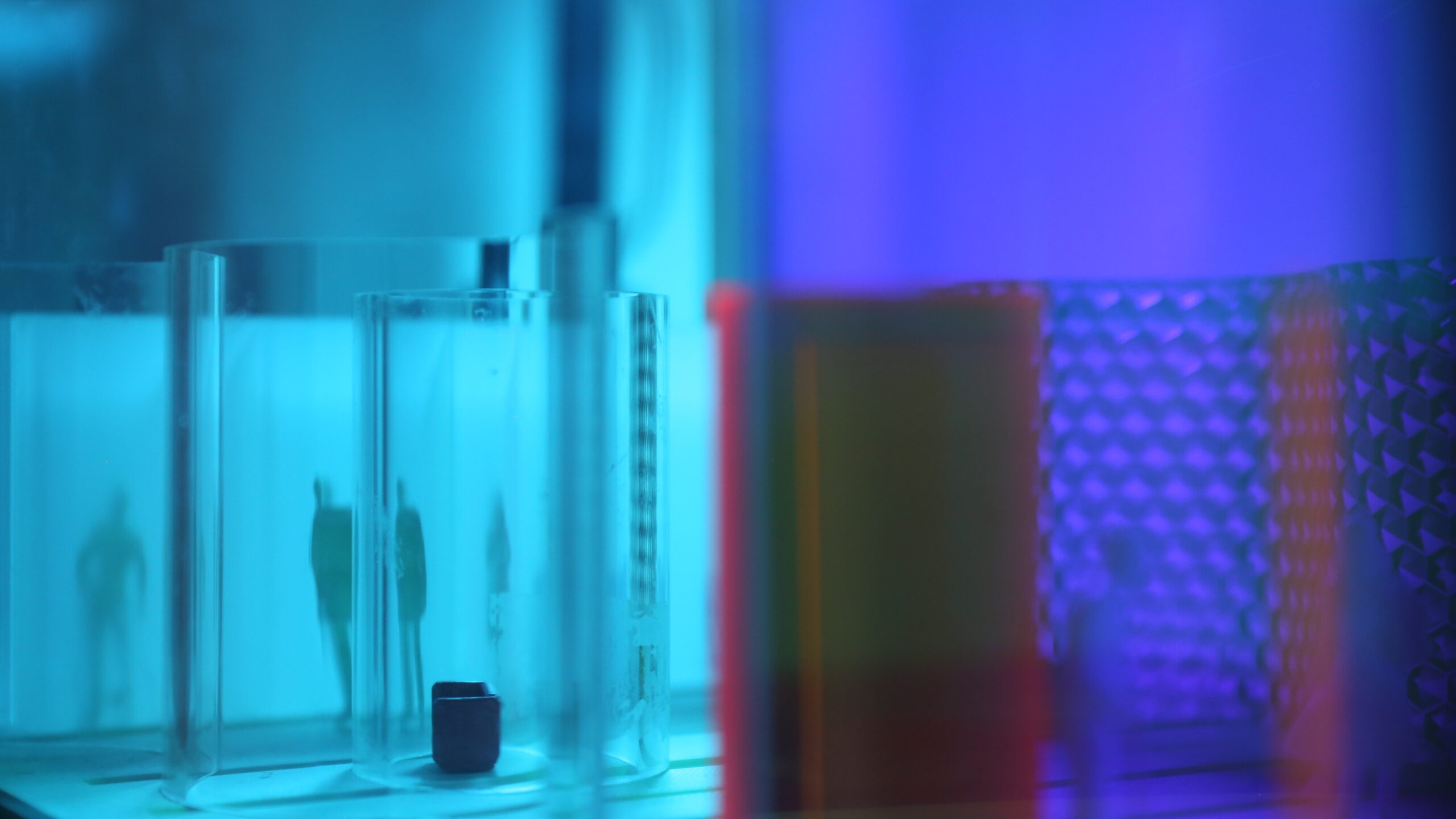
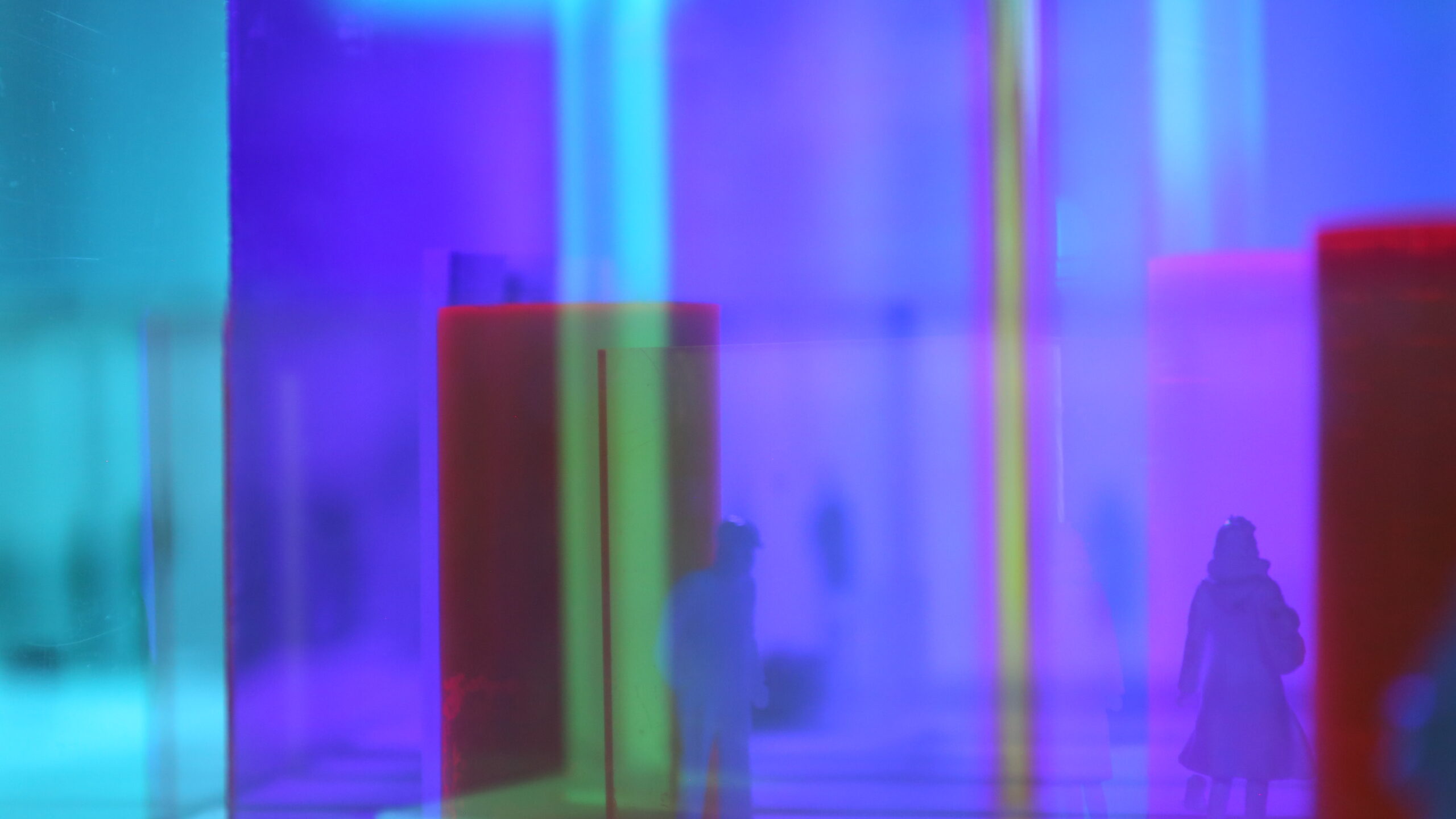
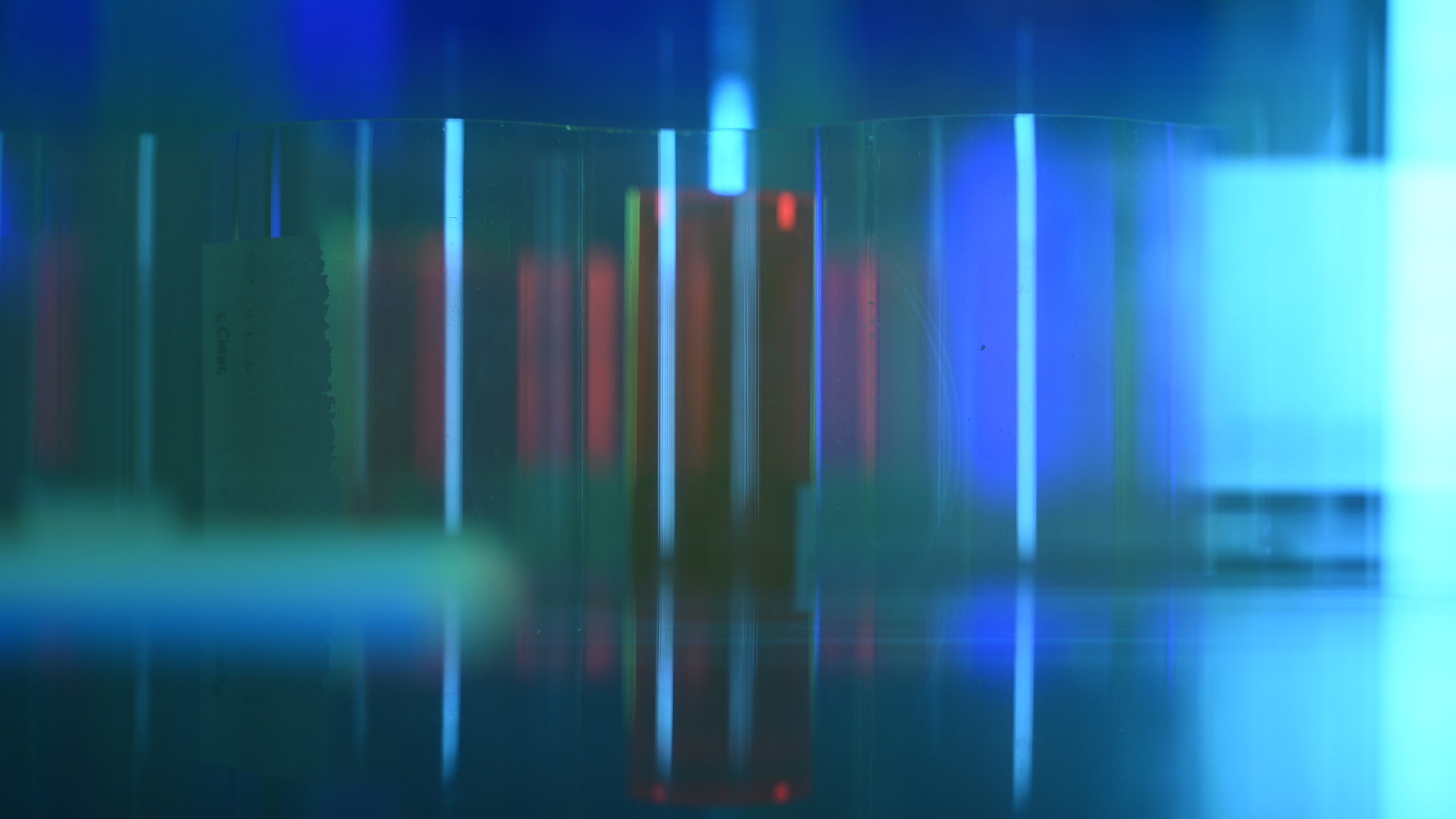
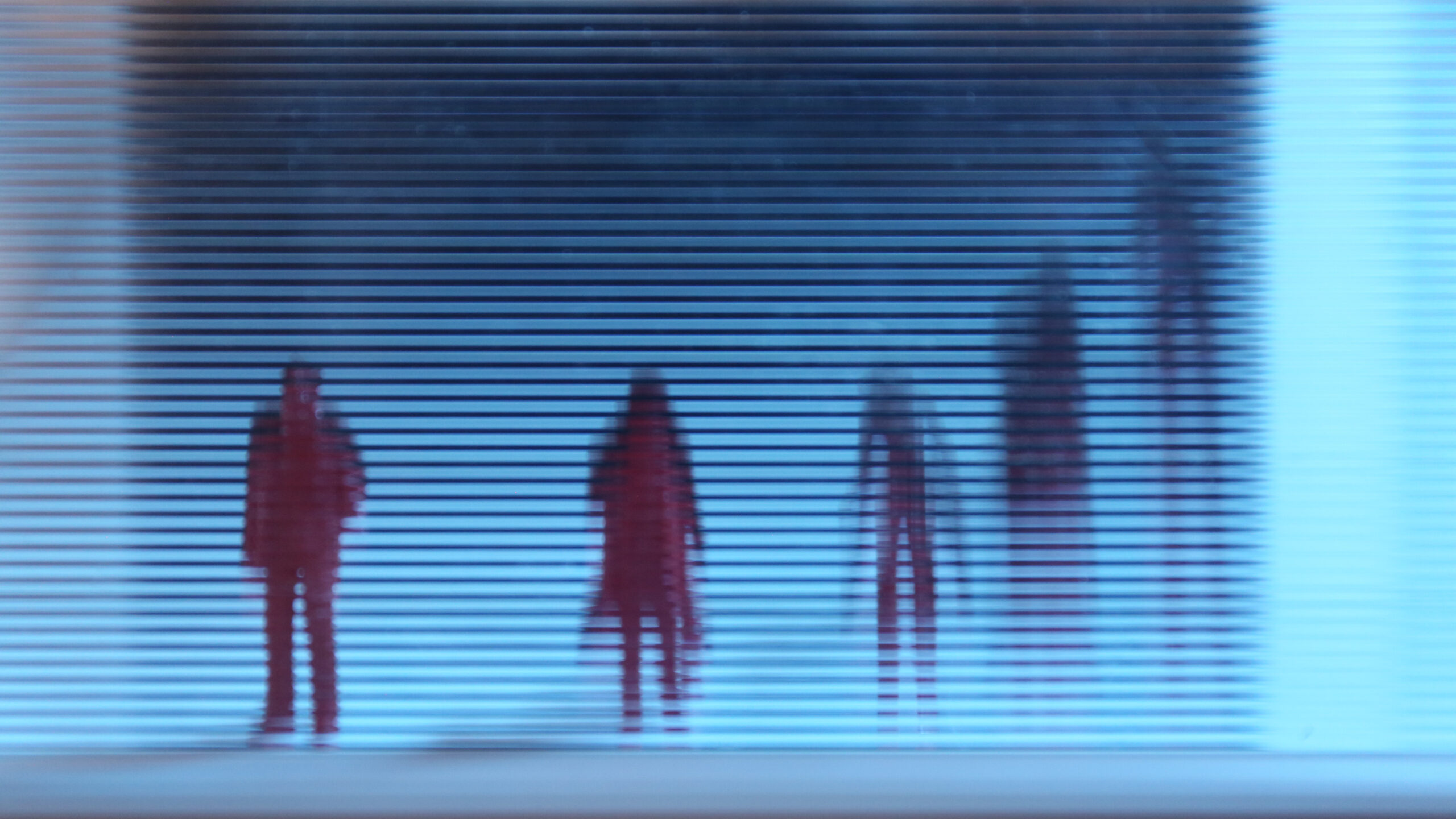
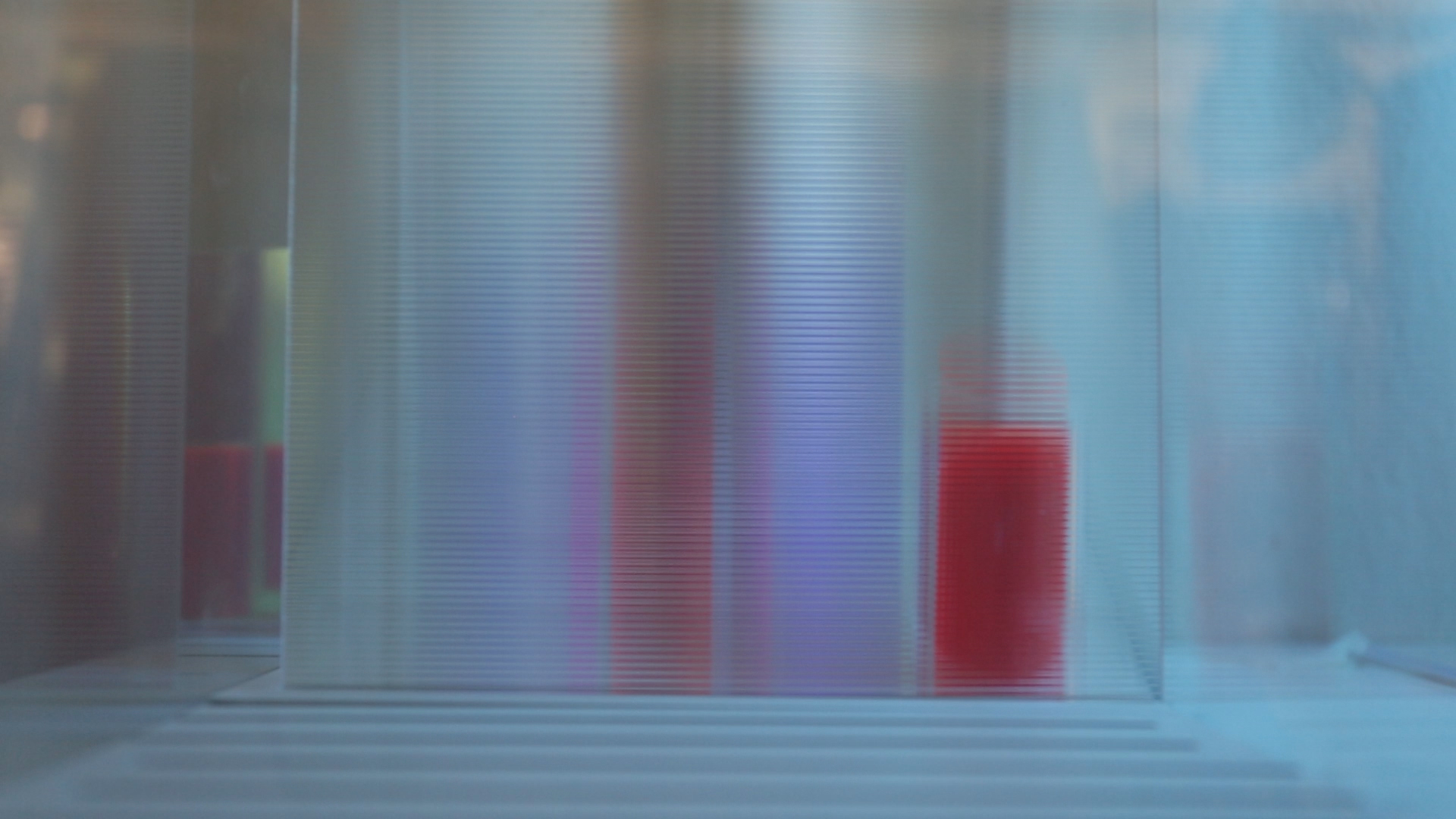
A series of experiments using glass, 3D scanning, lighting, reflection, and controlled spatial models explores how transparent surfaces change with movement, distance, angle, and time. These experiments show that transparency does not create one fixed image. Instead, it multiplies, distorts, and destabilizes what we perceive, producing overlapping and contradictory readings of the same space. These effects become strategies for how architecture can shape and manipulate spatial perception.
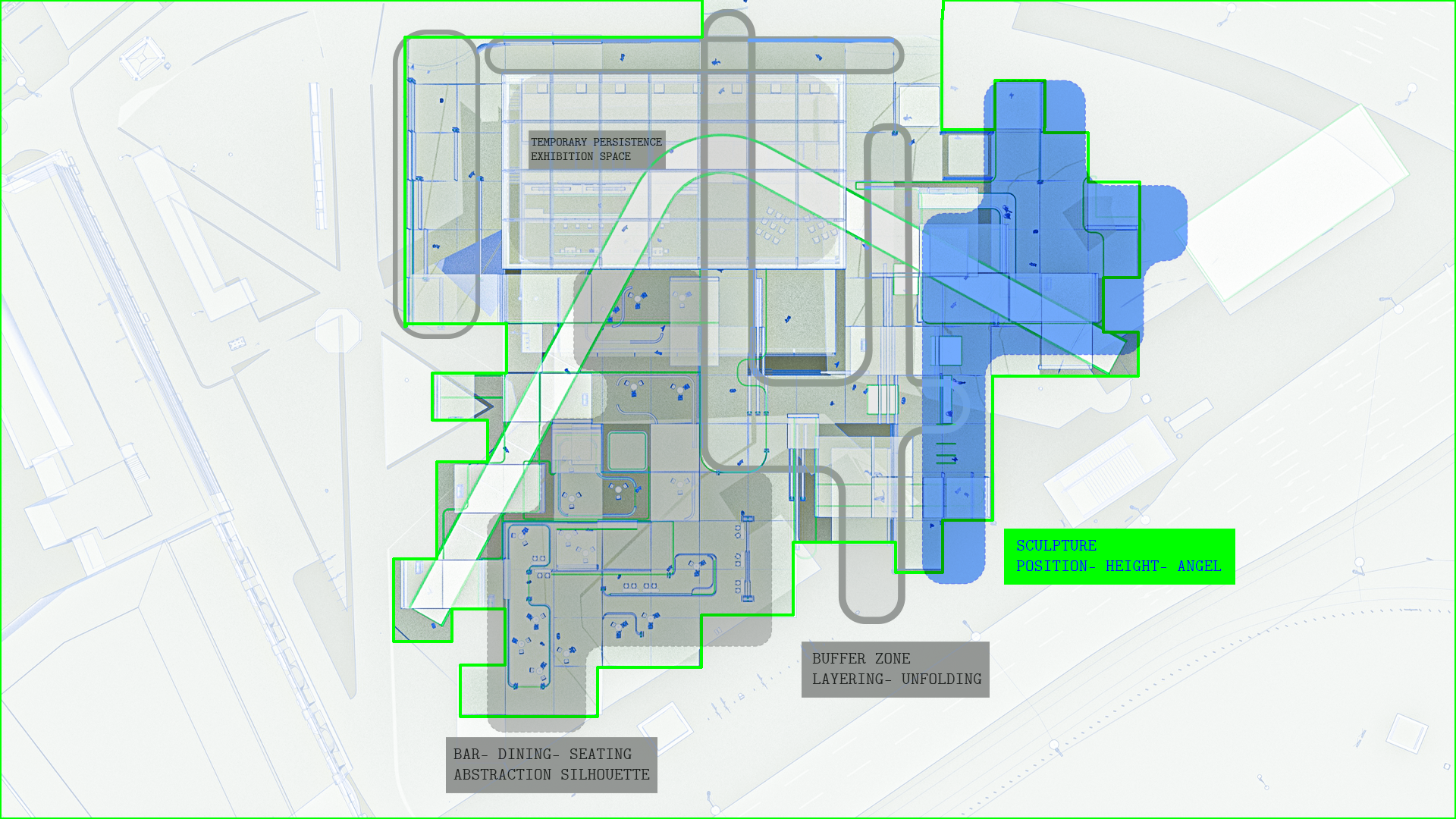
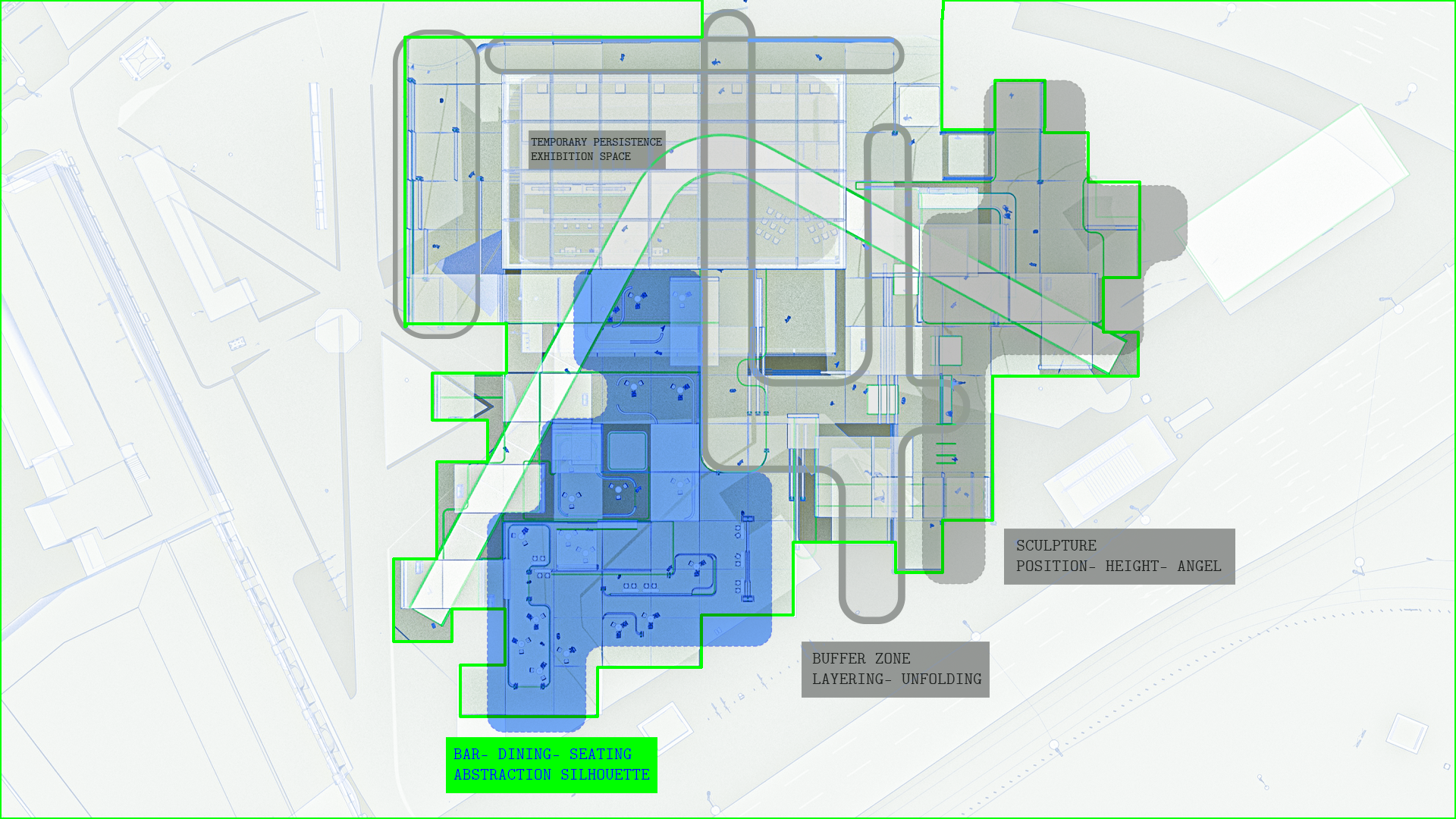
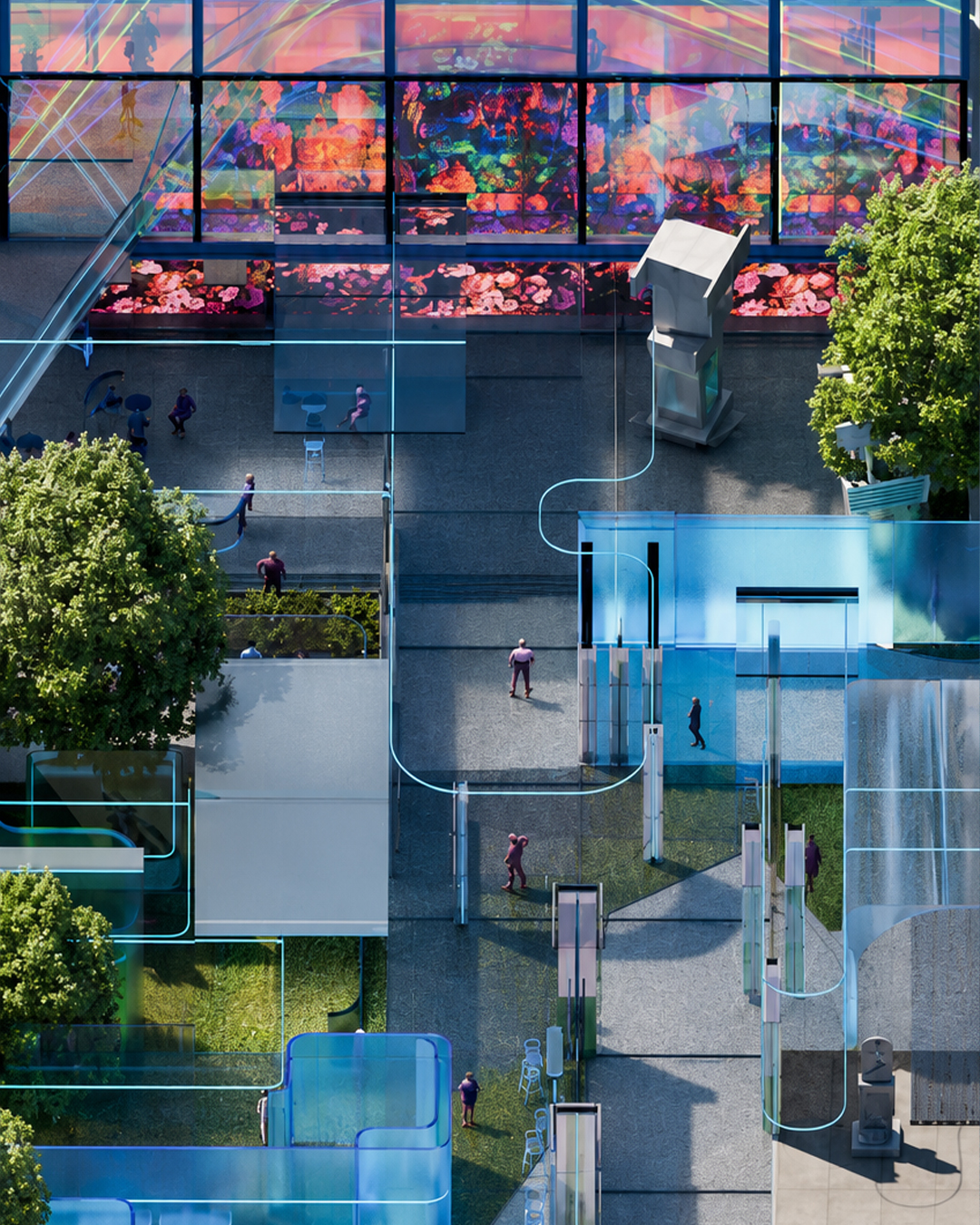
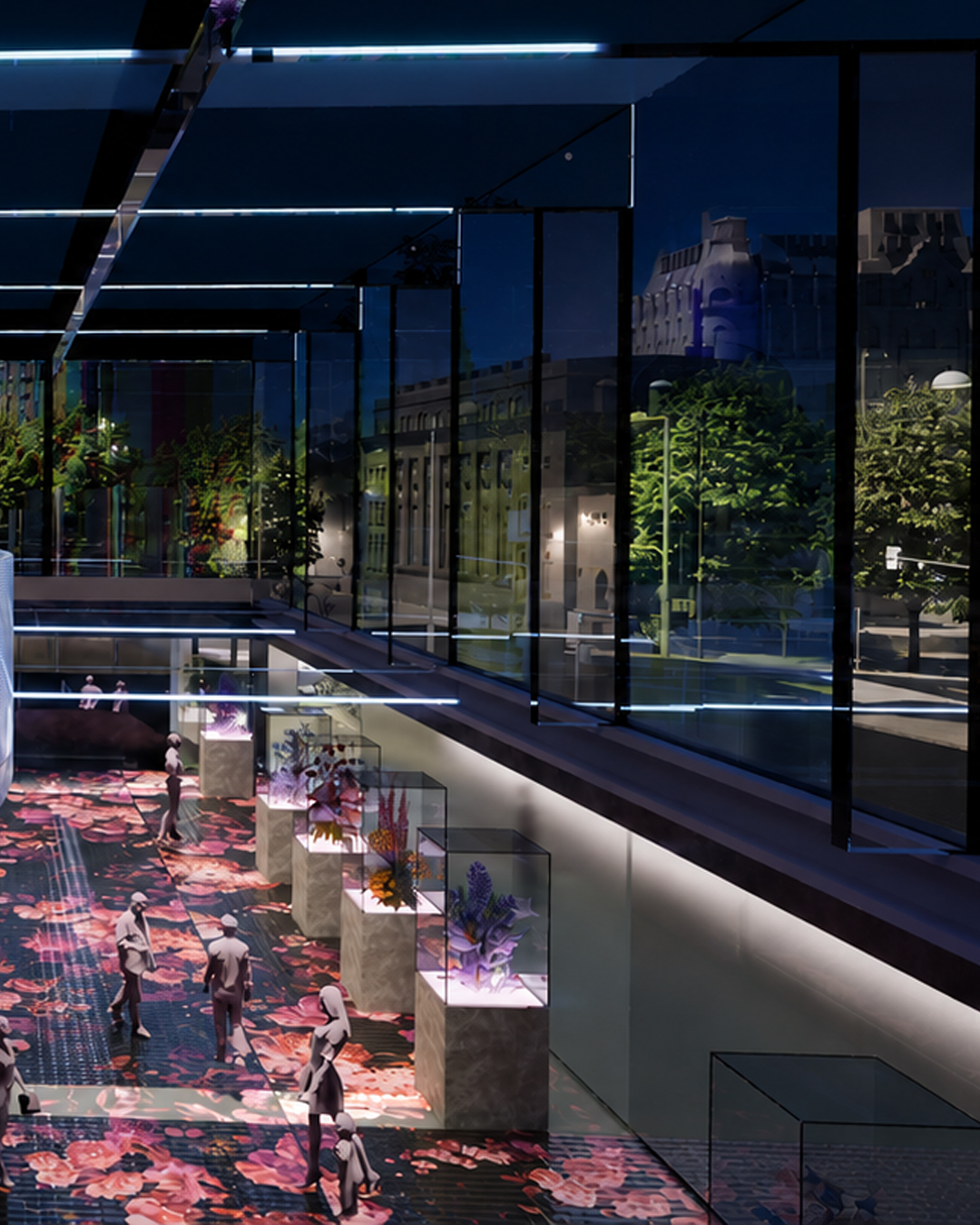
The project is located at Kunsthalle Karlsplatz in Vienna, a city where display has long shaped everyday experience. Since the nineteenth century, glazed shop windows turned Vienna’s commercial streets into spaces of display, letting people see objects without accessing them, and turning pedestrians into spectators. Karlsplatz continues this condition today, where exhibition, movement, and daily life overlap. The proposal tries to create an inhabitable threshold where bodies and movement themselves become part of what is displayed.
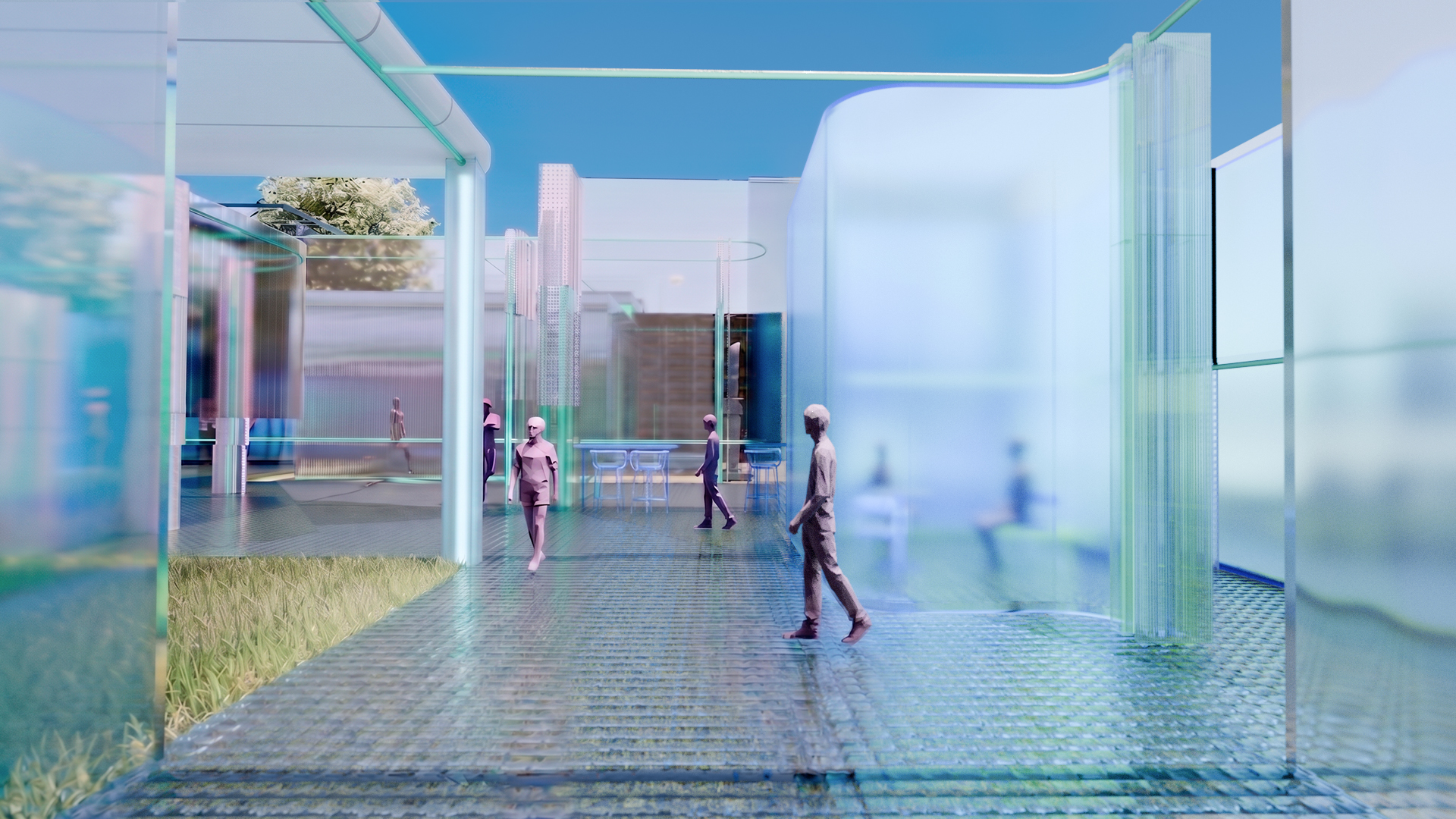
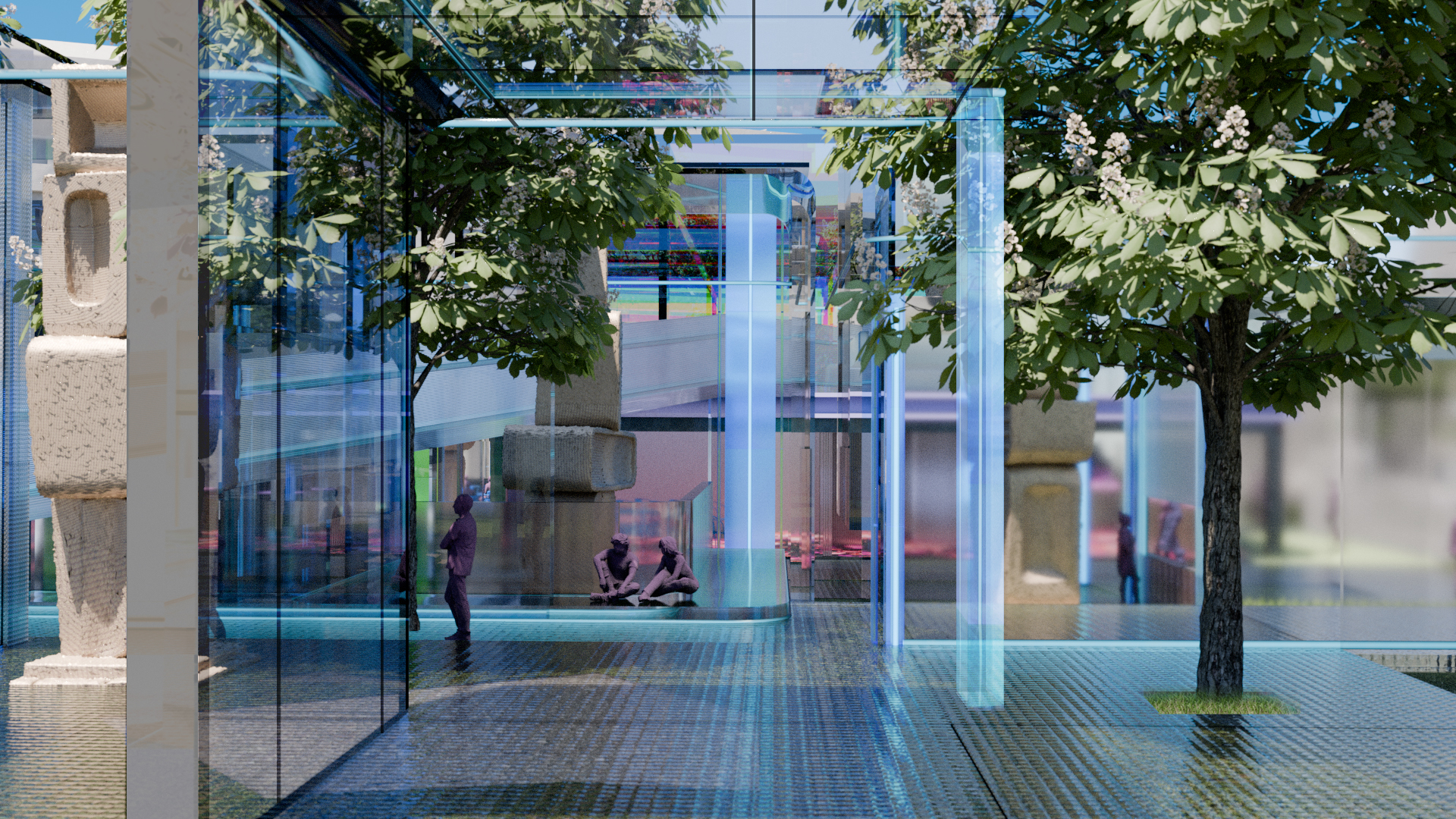
The design rejects a single, fixed boundary. Instead, it creates a spatial field where visibility is constantly negotiated. Layering shifts transparency from clarity toward ambiguity. The body allows presence without full identification, suggesting that privacy can come from distortion rather than concealment. Position makes perception depend on the viewer, while time lets reflections, movements, and traces build up and overlap on the same surface.
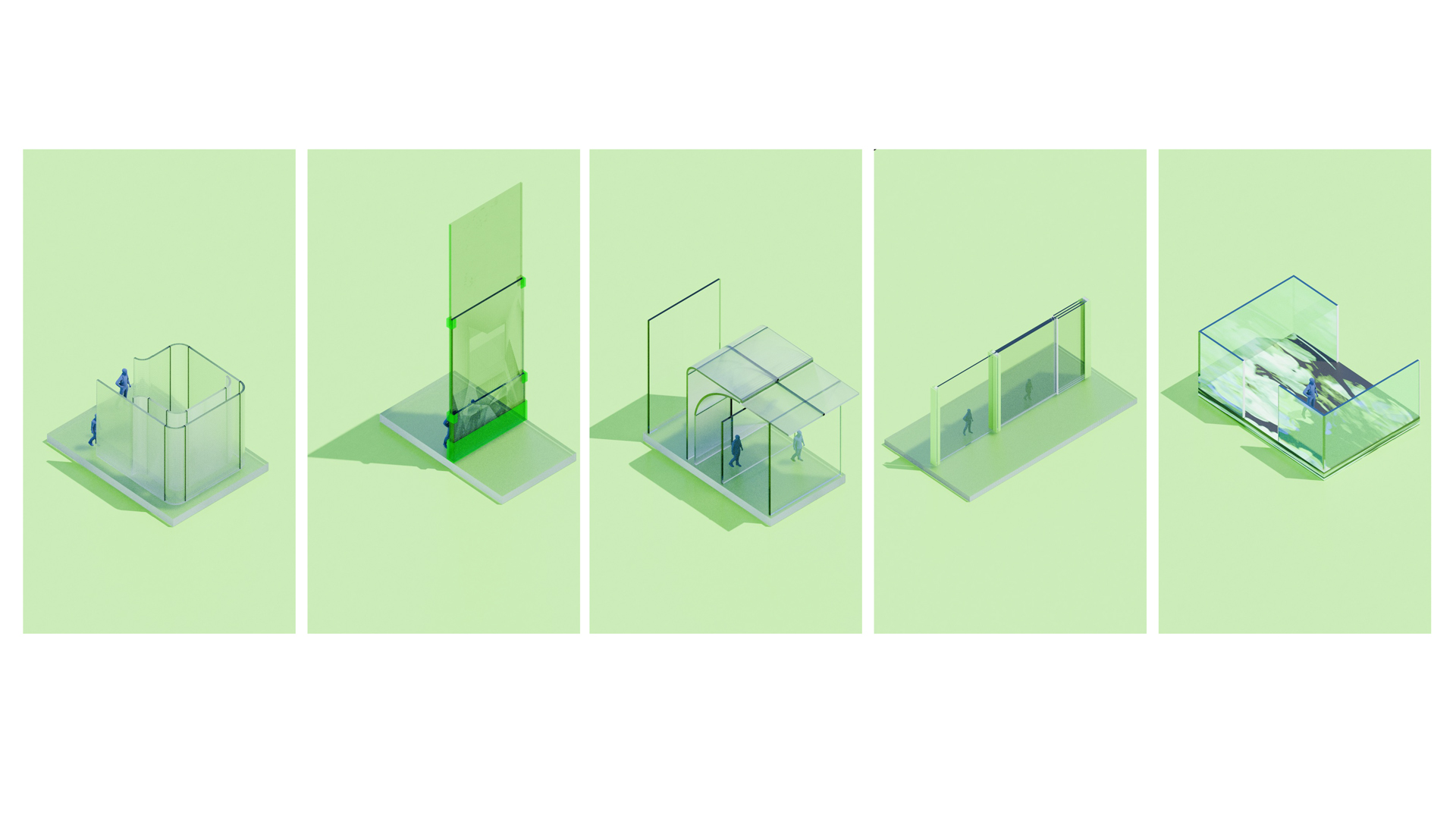
These ideas take physical form through vertical structural glass fins, independent layers, and freestanding curved elements, which together create a thickened threshold rather than a single wall. The structure becomes a tool for perception, holding and layering views, reflections, silhouettes, and movements.
The project ultimately asks: if visibility can create withdrawal as easily as openness, how should architecture design with that instability? Transparency becomes not a symbol of openness, but an active architectural system through which bodies, objects, and the city continuously see—and are seen.