

Ludwig Hock
Living (with) Data
Studio Project / TELE-PROVINCE / Summer Term 2026
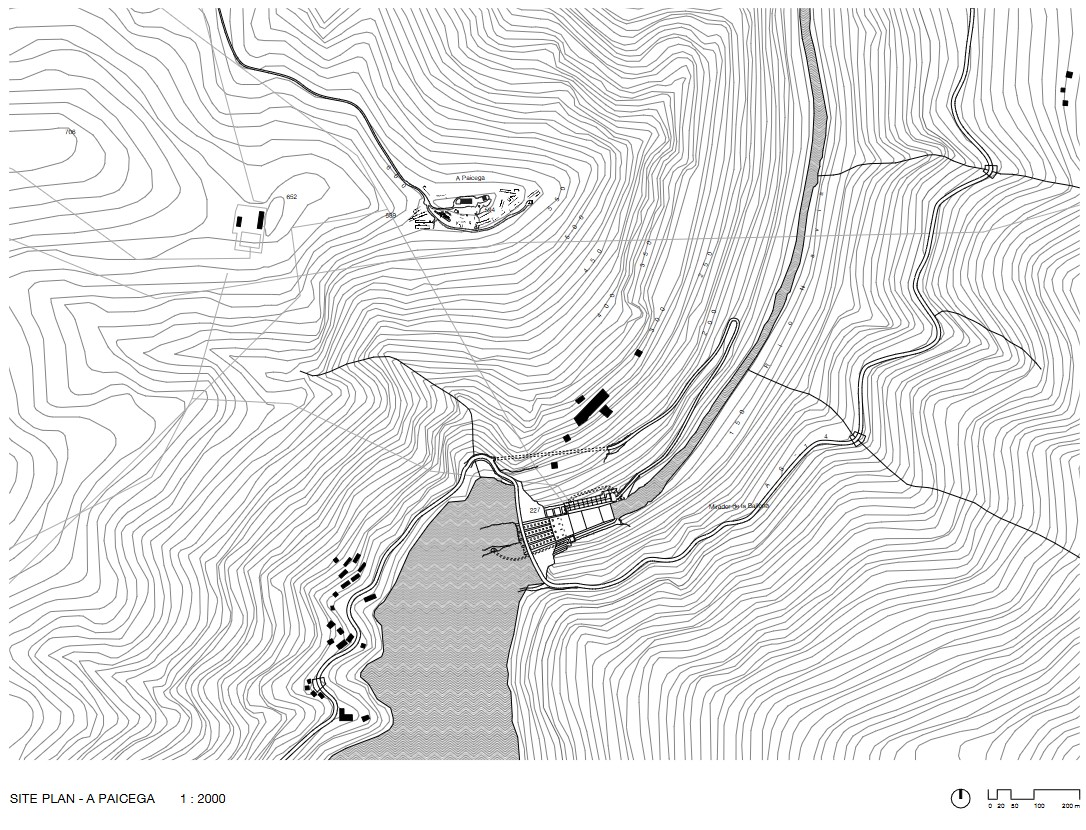
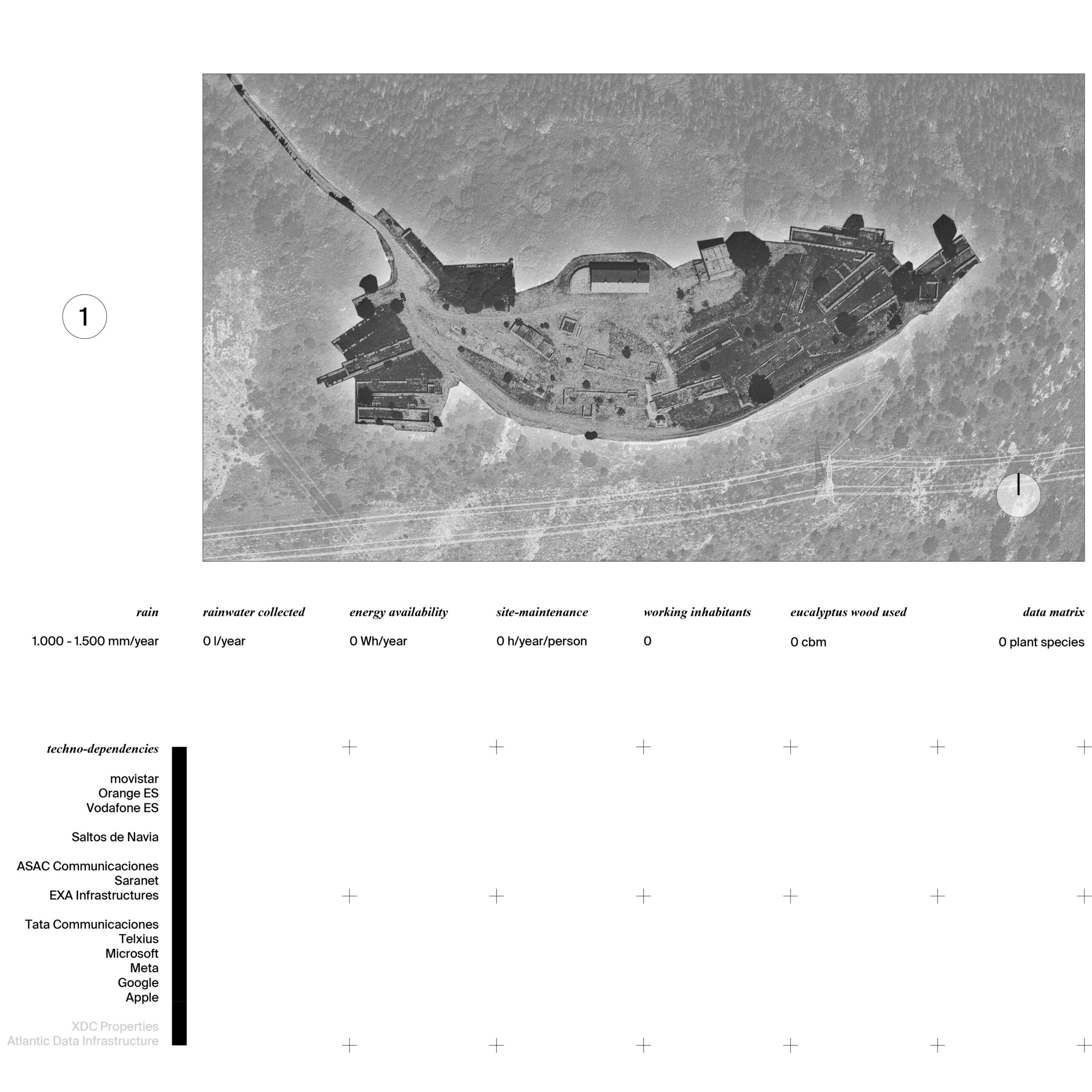
[ A Paicega is located in Asturias in the north of Spain. It is a village of barracks built on the top of a mountain for workers of the construction of the Grandas de Salime dam along Rio Navia in the 1950s during the fascist Franco-regime. As soon as the construction was finished the village was abandoned. Remaining today is a site of ruins, more and more becoming a social media attraction of the region. ]
Living (with) Data:
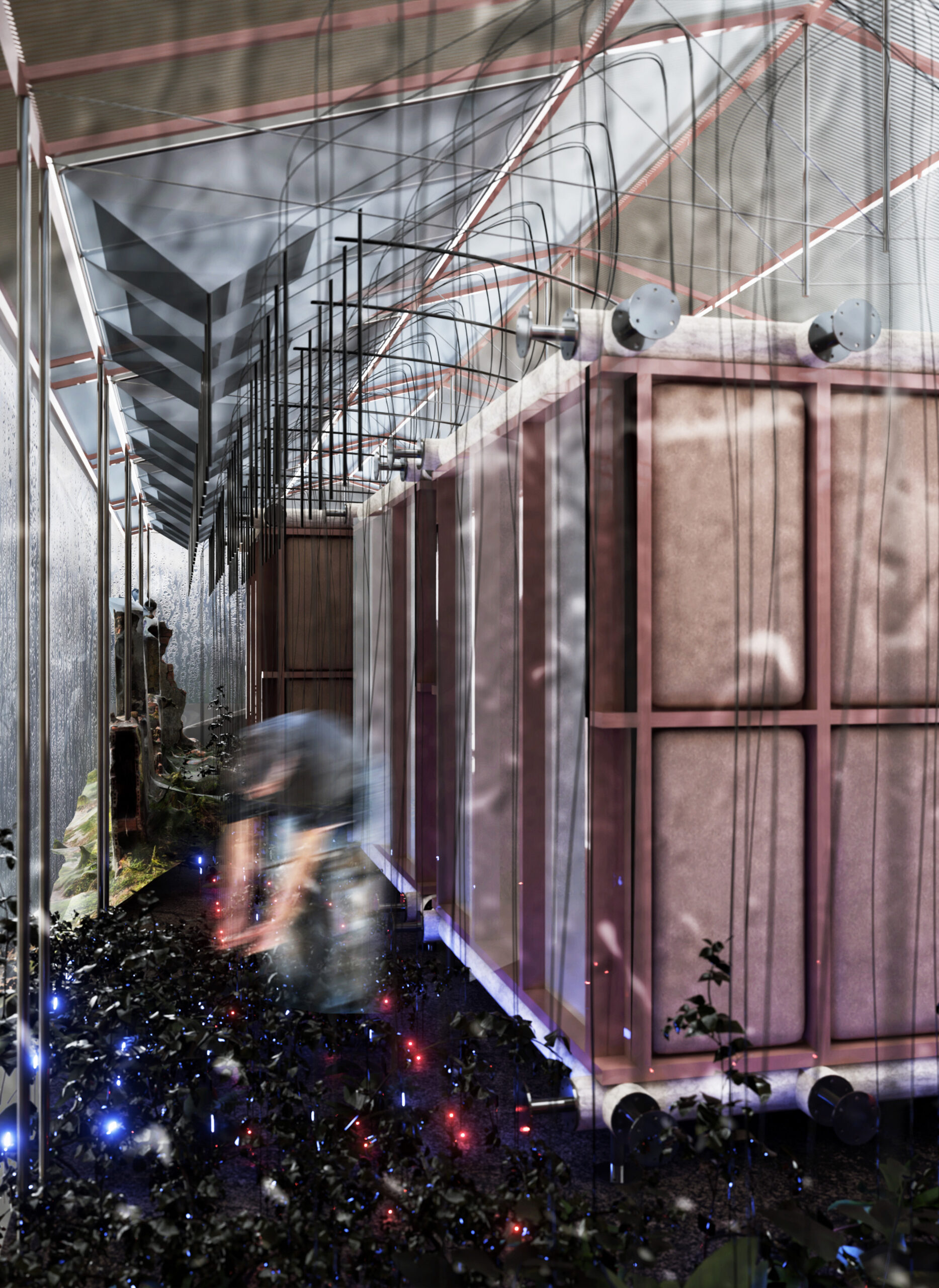
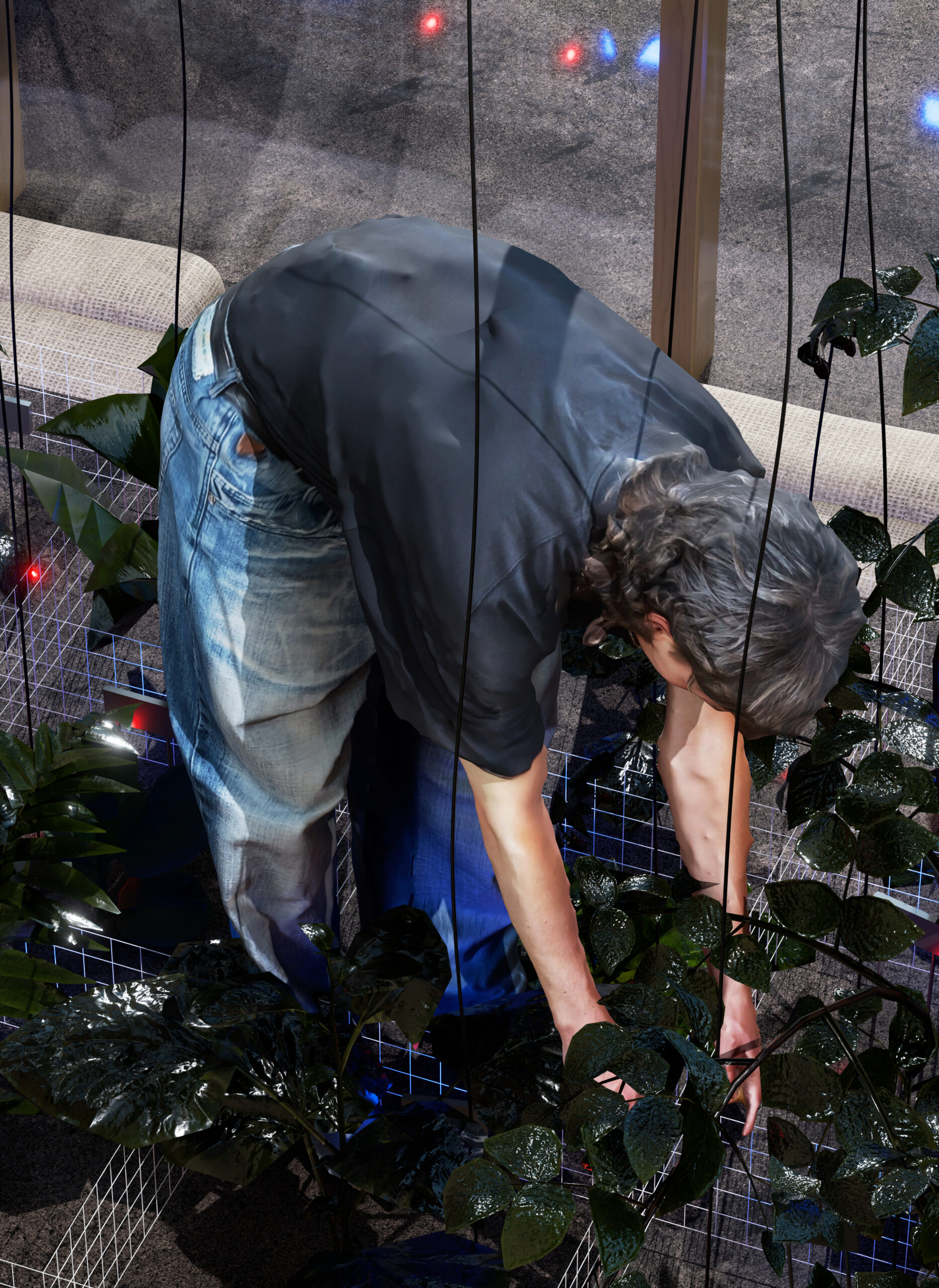
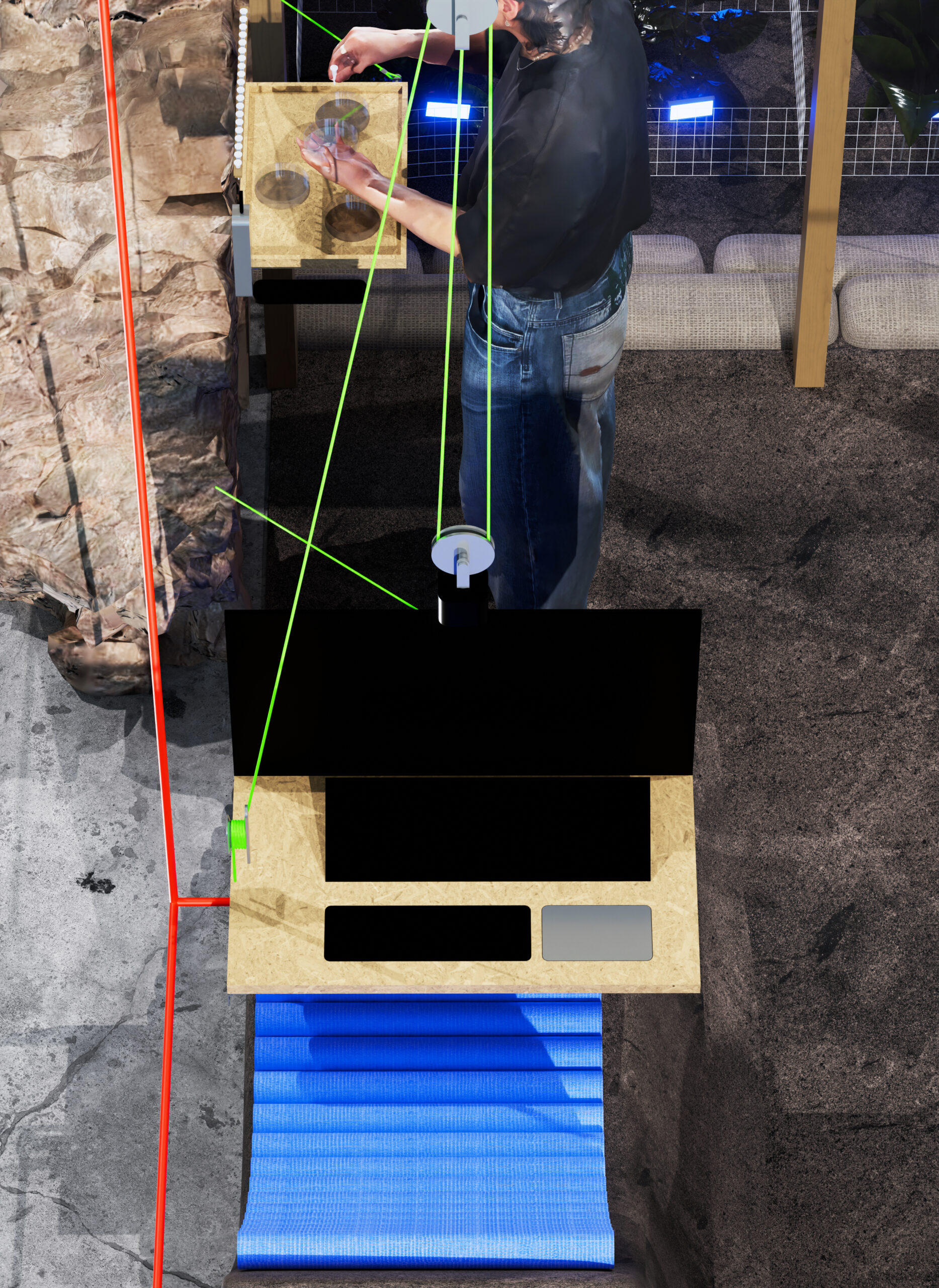
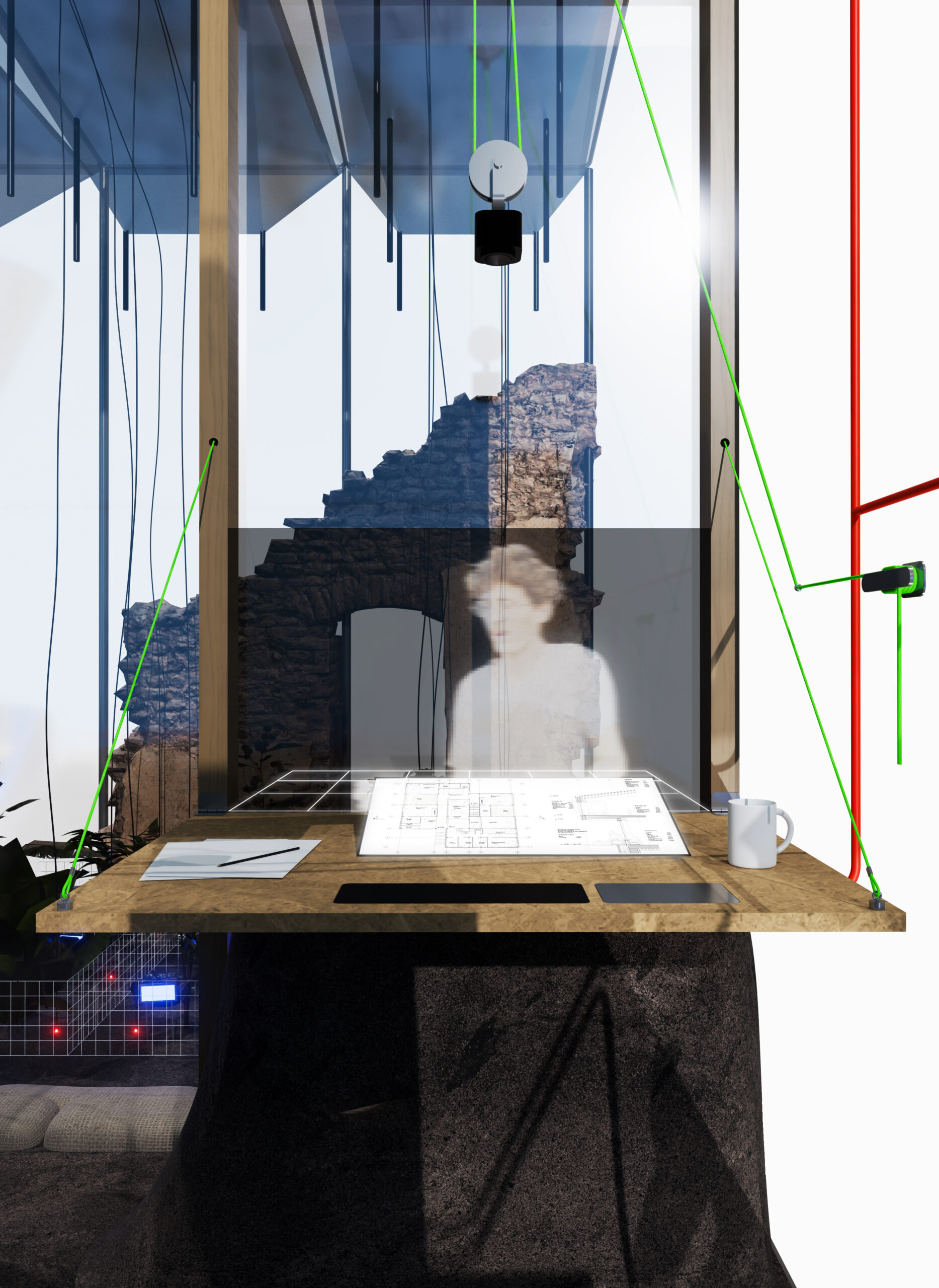
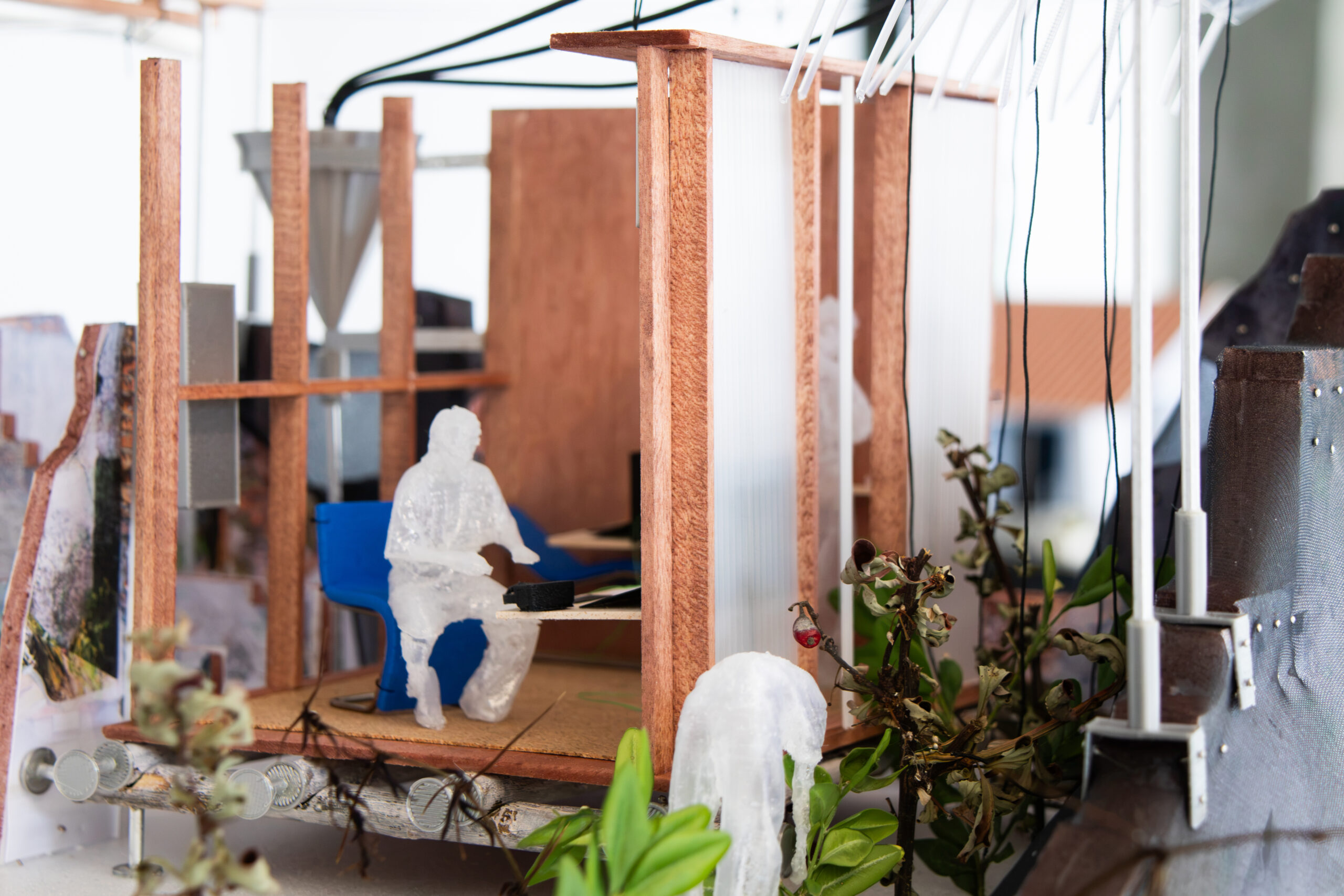
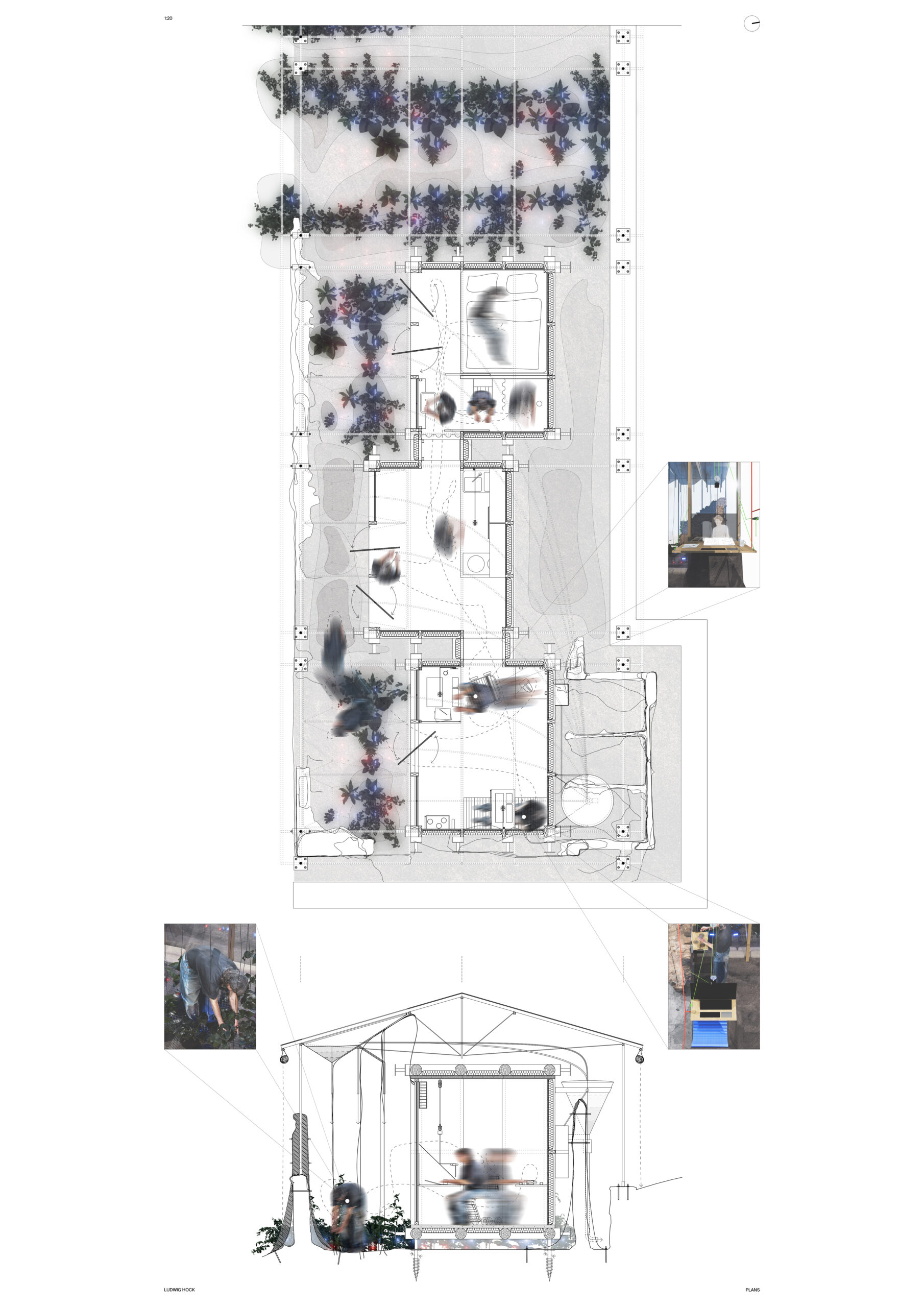
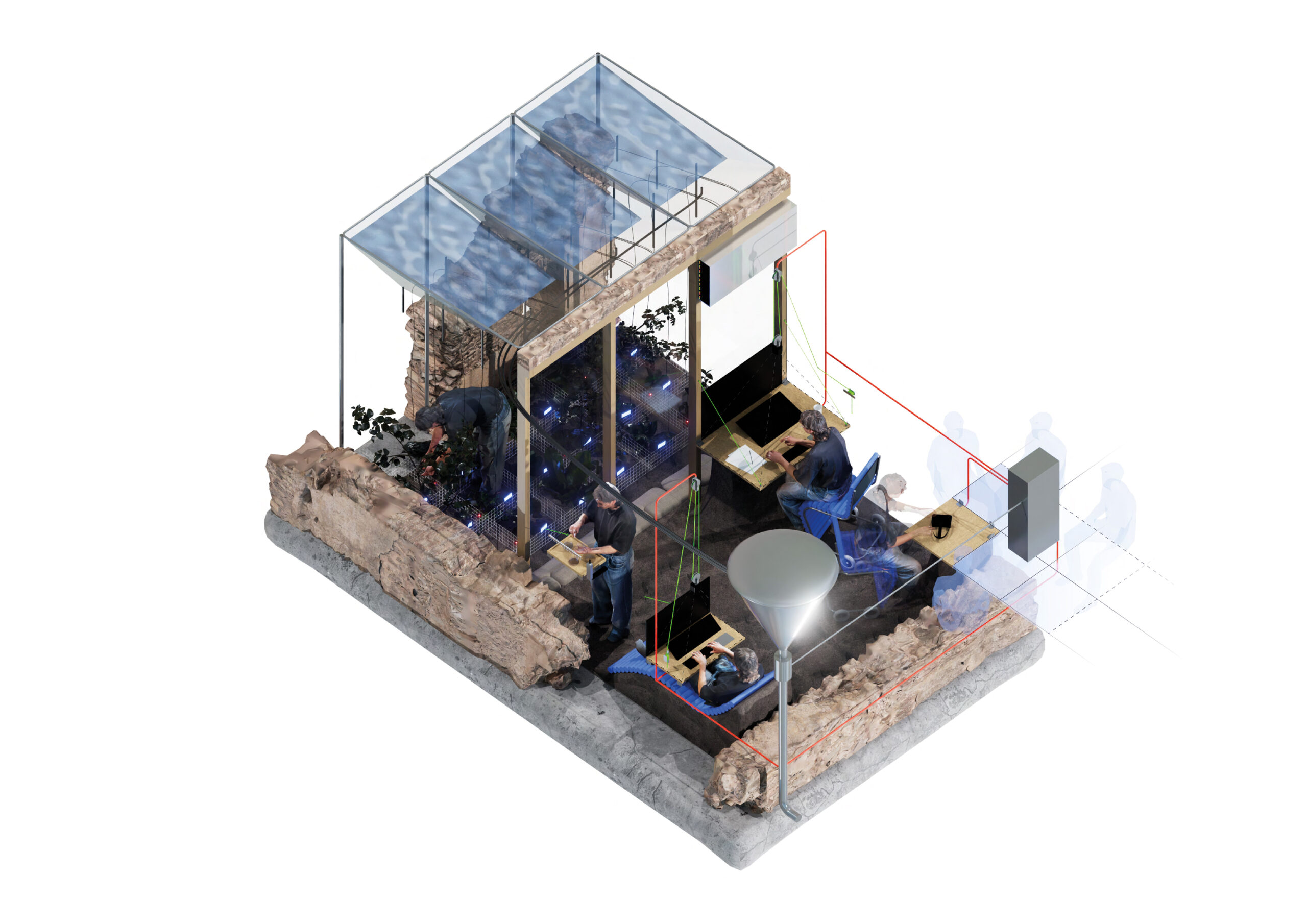
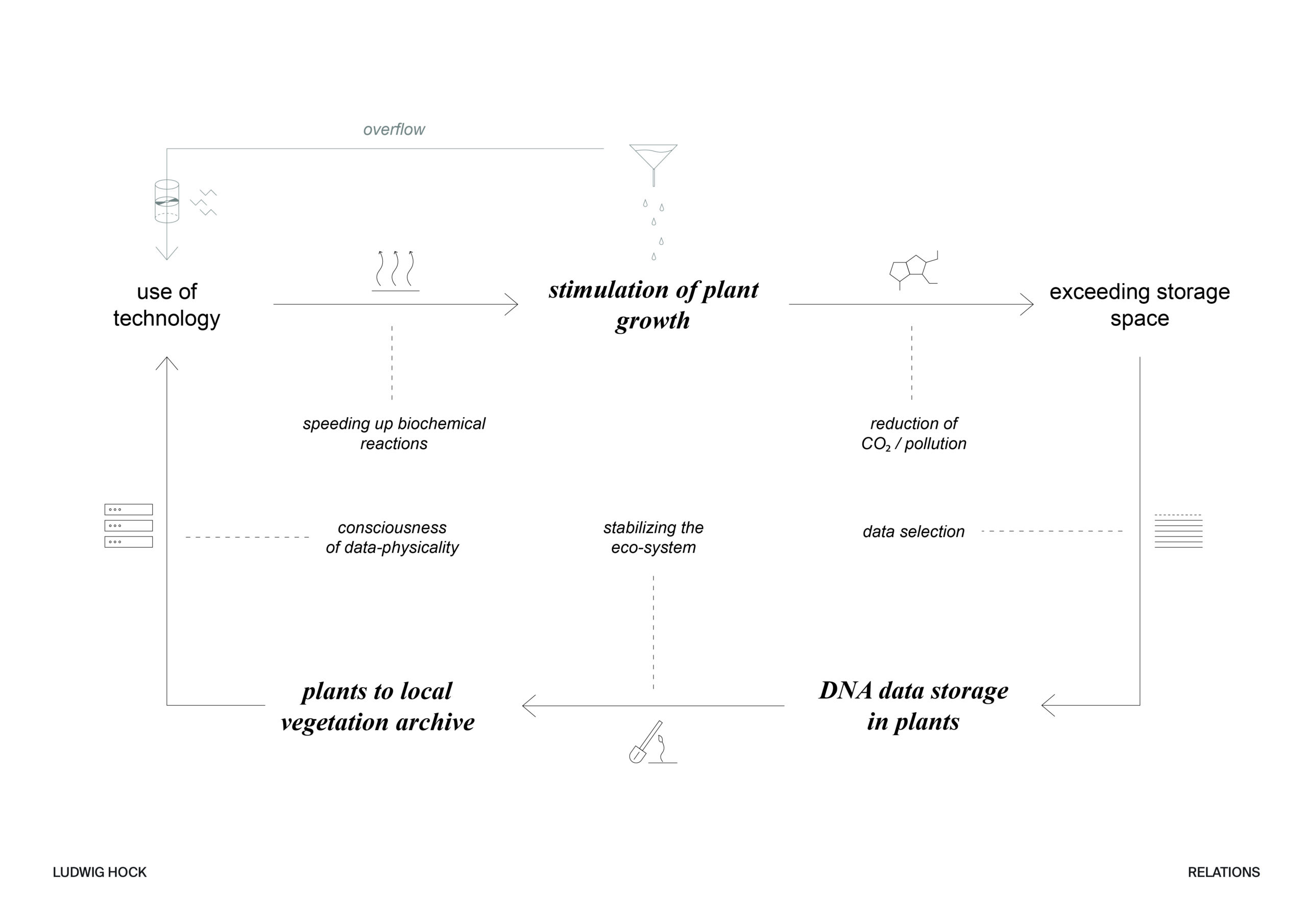
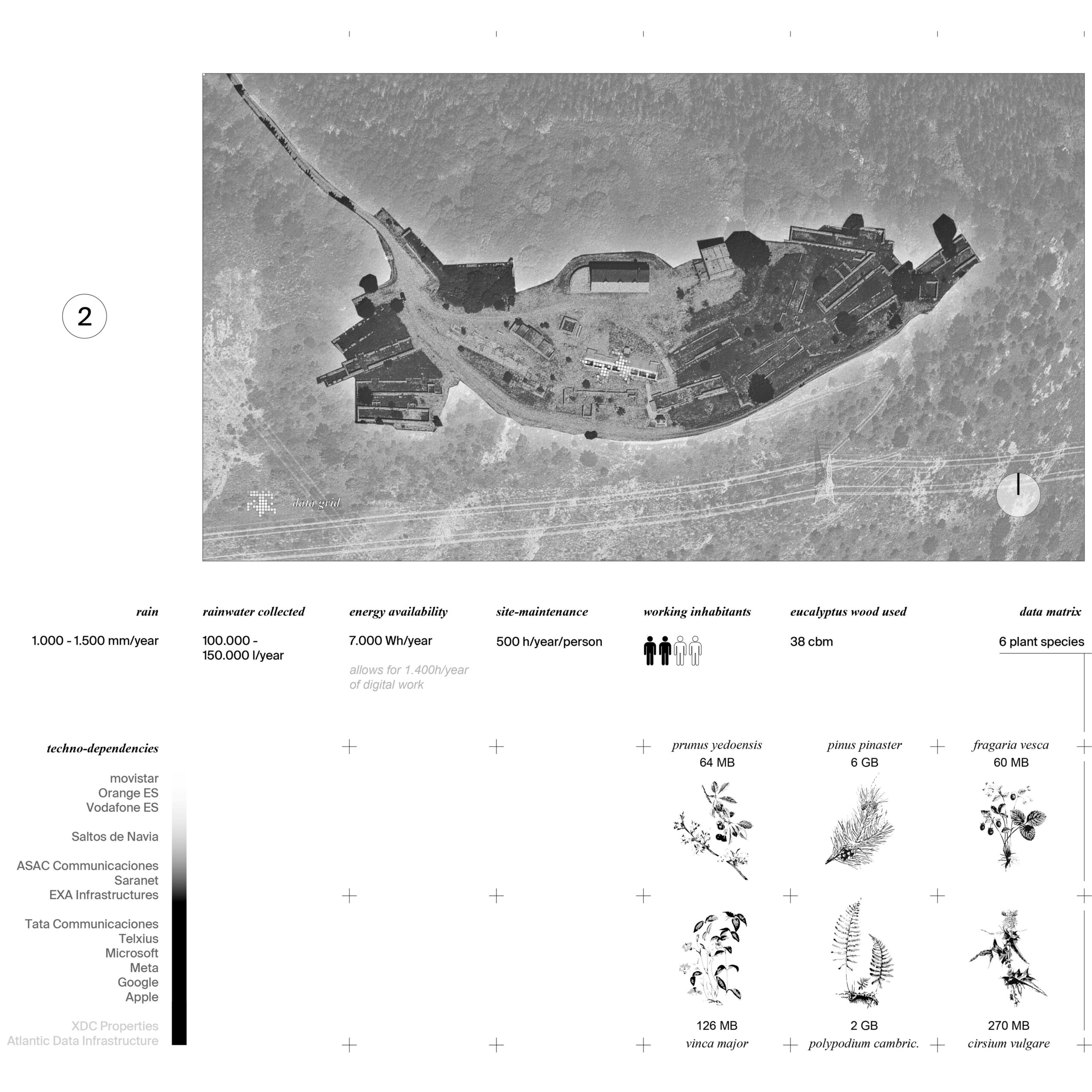
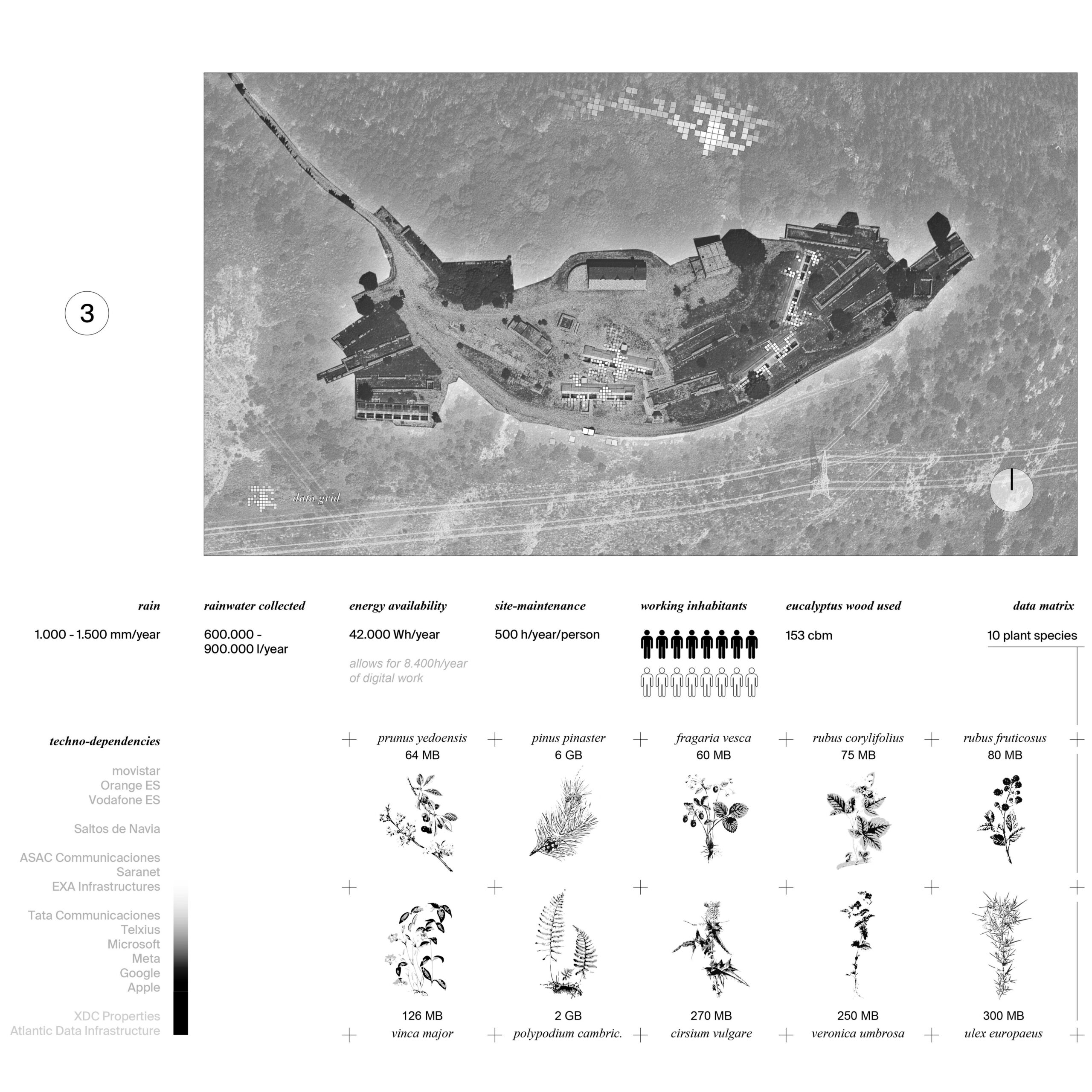
Initially thinking about the room as a hybrid space of living and working remotely revolved around trying to not to leave additional traces to a site where work already had quite a big impact. Thus the eco-system of the room should be embedded into a self-nurturing cycle that revolves around the consciousness for the physicality of data. Archival, local and cold data will be stored in the DNA of plants and thus the care for the plants and nature becomes deeply linked to work-productivity. The room is the physical representation of this cycle where consciousness is raised through two key elements: The storing process of data through DNA-sequencing and the spatial impact the storage of data has.
Data’s Territory:
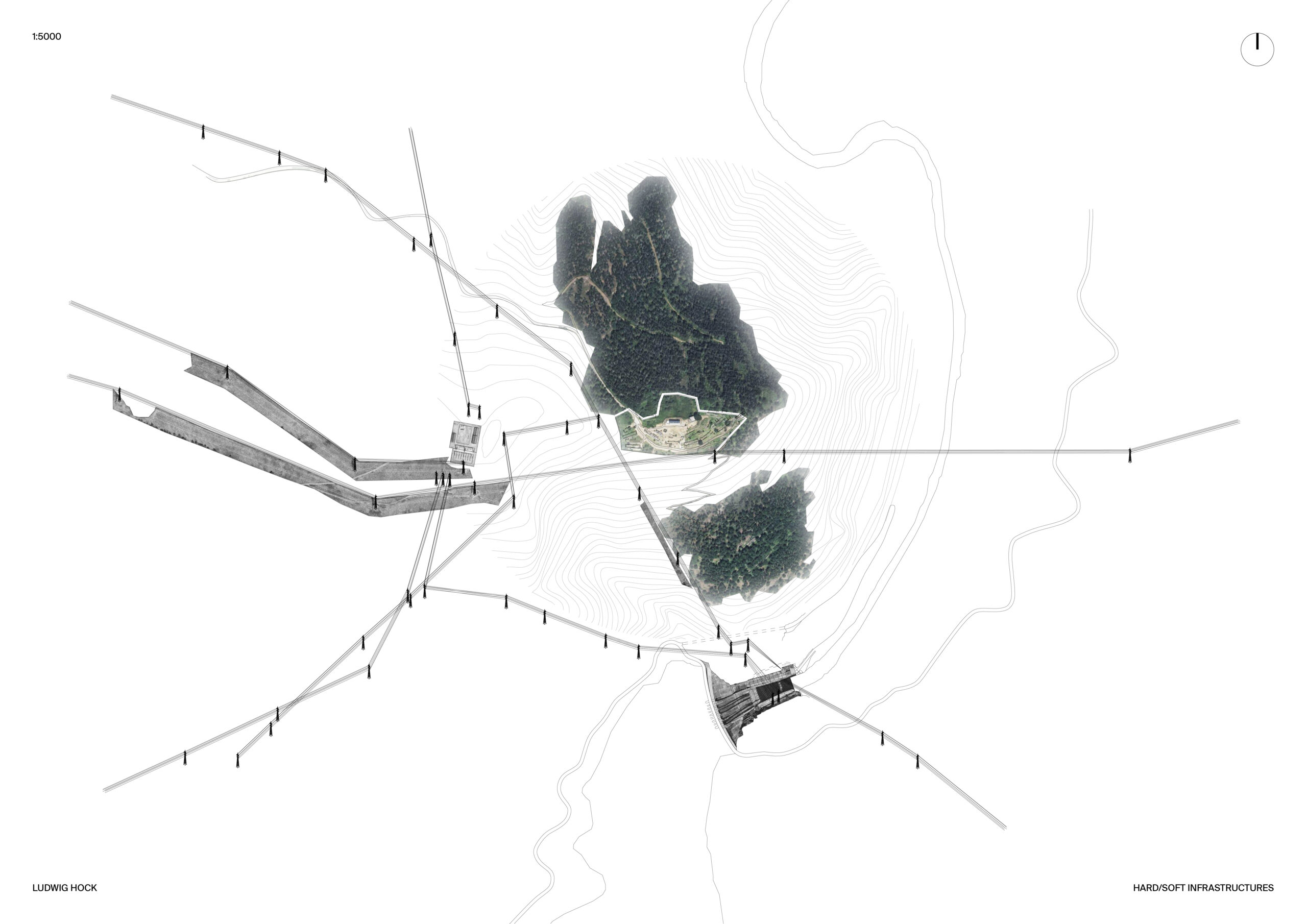
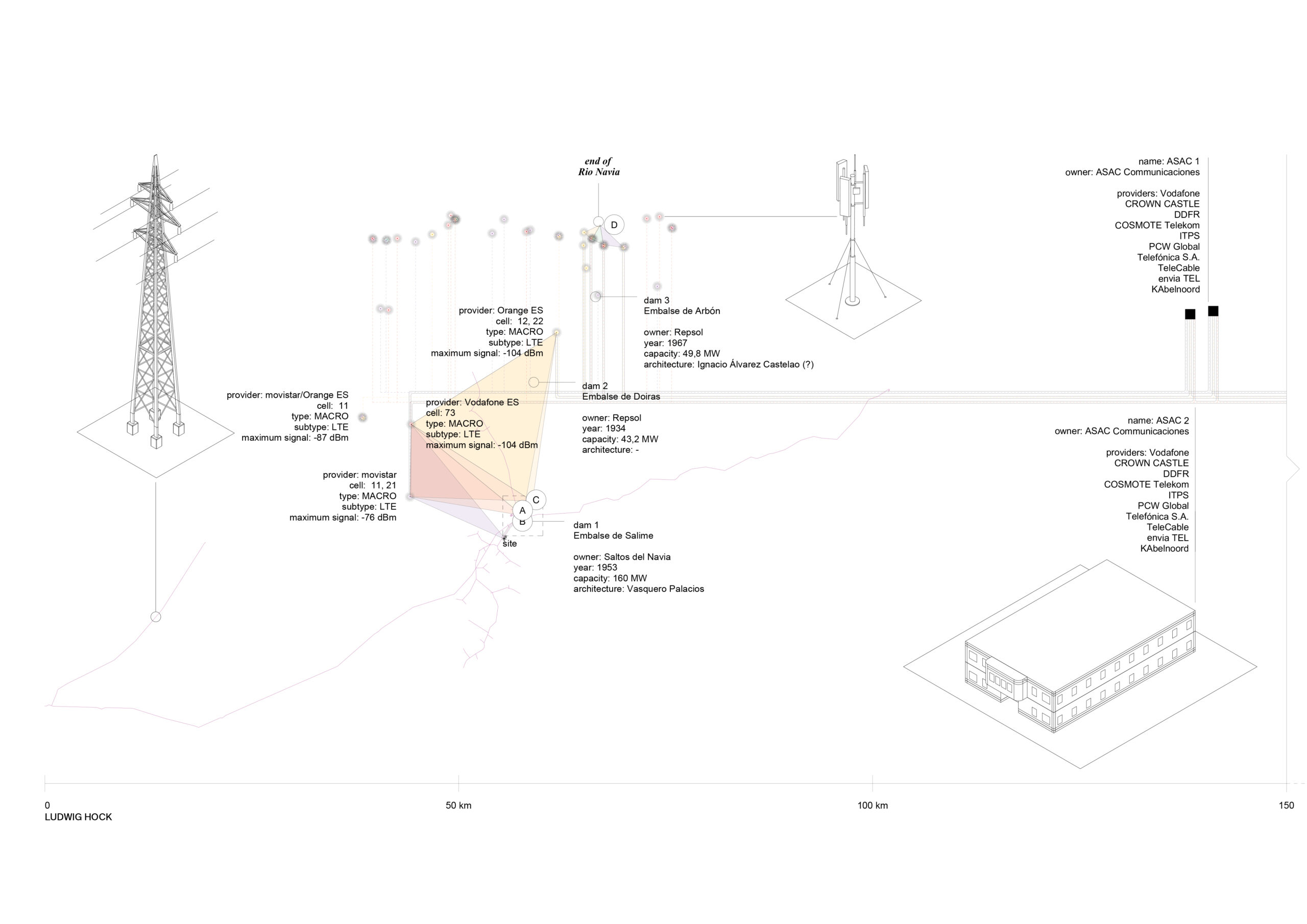
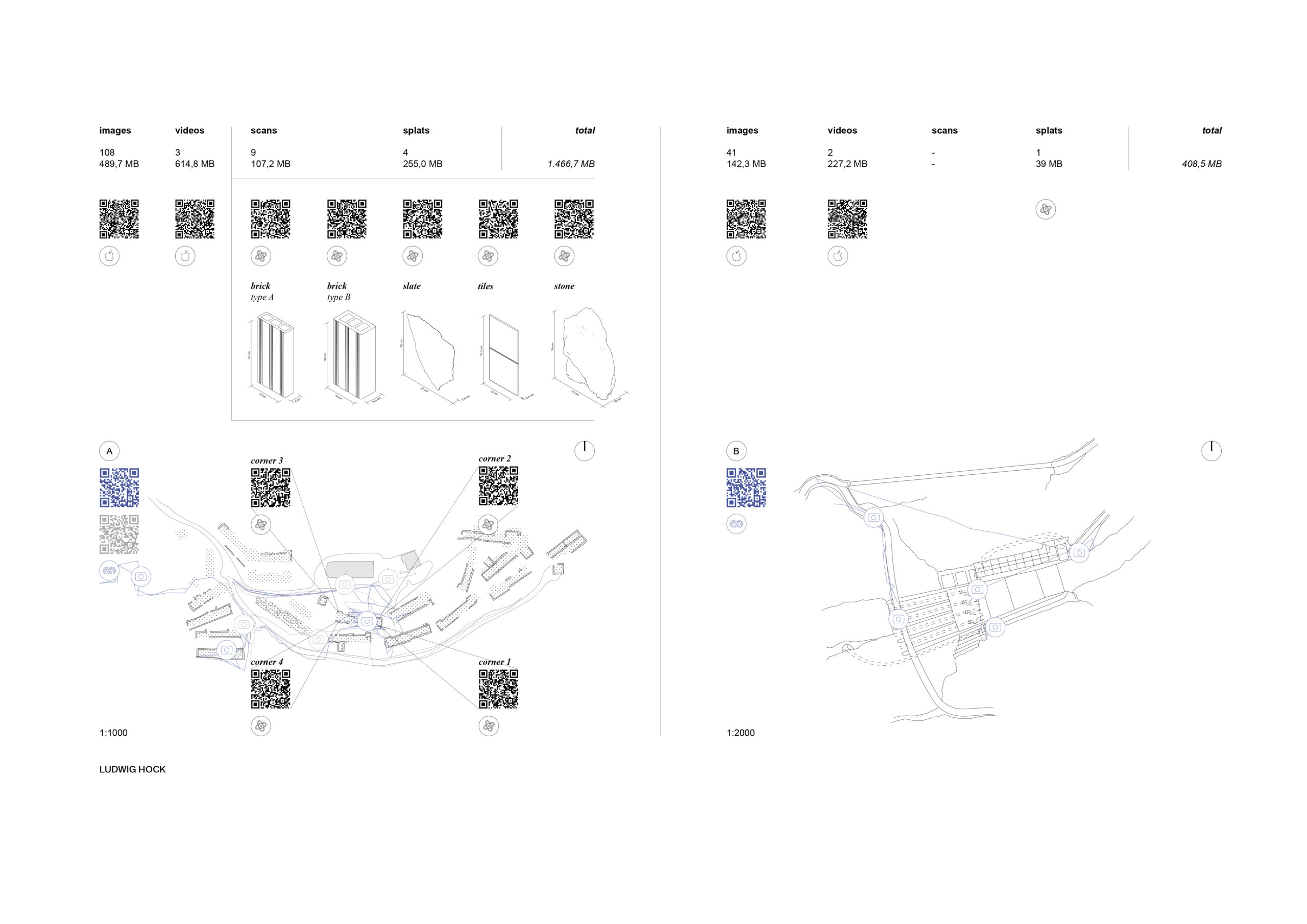
Mapping the site in a broader context to determine it’s degree of connectedness the physicality of data-infrastructure was exposed revealing general relations/mechanisms of data and dependencies on big corporations. Data’s territory in a scenario of remote work on this site was visualized by looking out into the region from data’s point of view. Starting from local electricity production in the Grandas de Salime dam and it’s network expanding outwards, researching local cell towers connected to from A Paicega through radio-waves, revealing providers and their individual fibre cables running to various data centers of the region, ultimately reaching submarine cables (the internet) in Bilbao owned by Google, Meta, Microsoft, Telxius and Tata Communications linking all the way to the USA, the UK and Portugal. The site documentation – for which this infrastructure was used – is only being represented by the physical attributes of the data generated, leaving it stored in their respective “clouds” accessible through QR-codes marked with the logos of the corporations owning them.
Digital Ruins on Ruins:
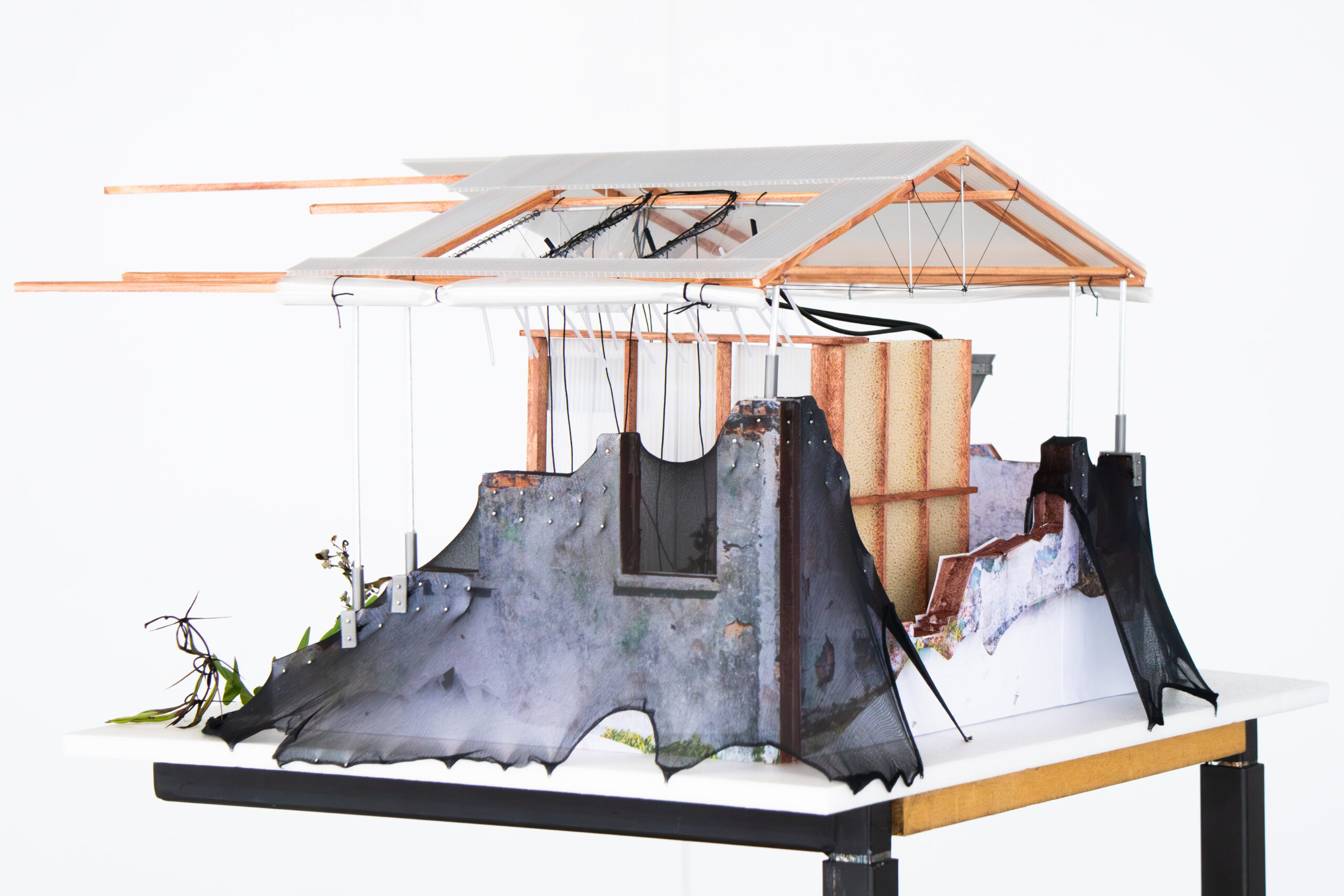
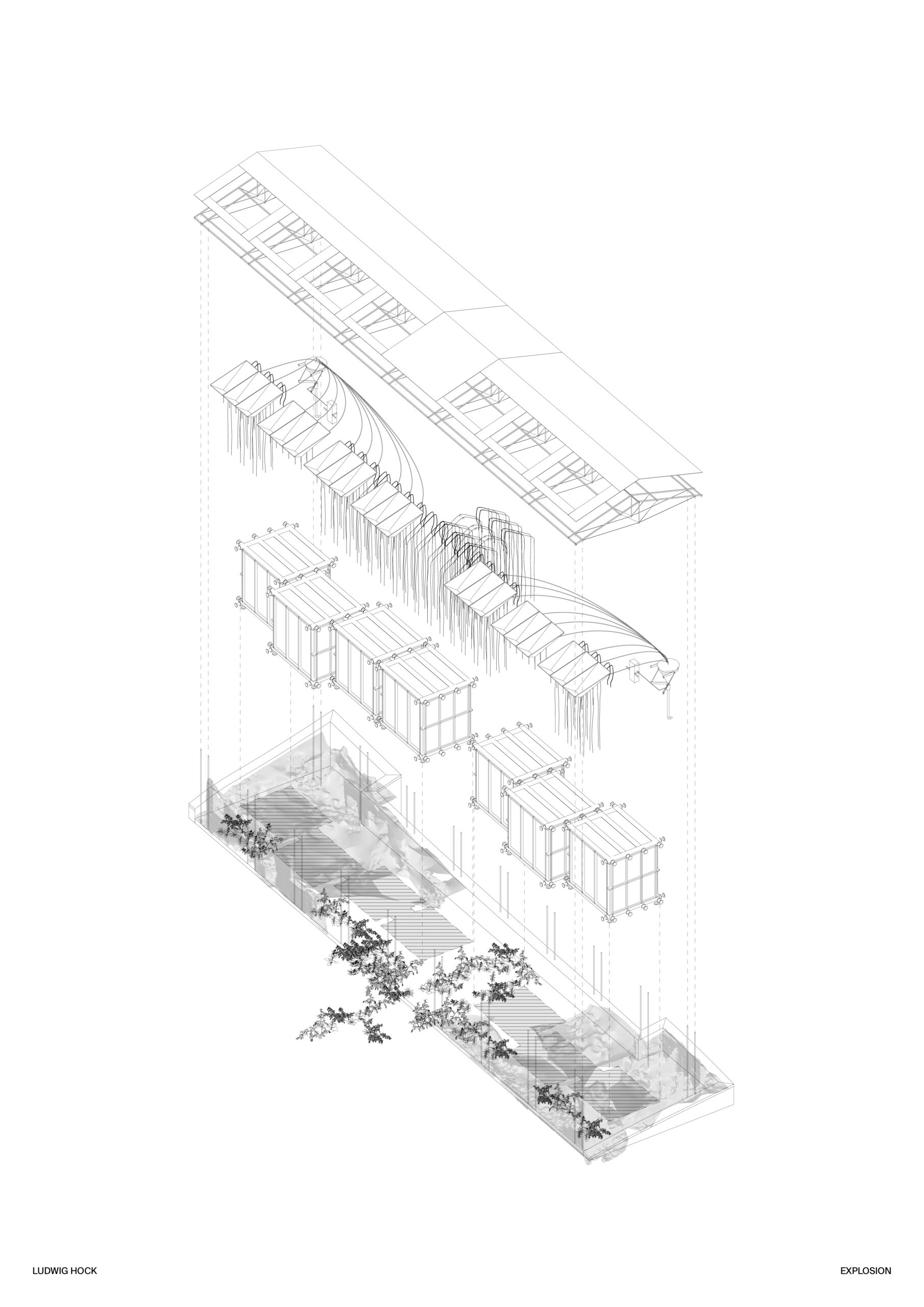
Proposing a scenario of habitation and remote work in A Paicega the existing ruins were treated as already inhabited systems that should not be disturbed imposing a structure that maintains these existing systems. A floating roof punctually holding onto the ruins not touching any other live that happens beneath is the mediator to assign energy through rainwater collection to the various actors, prioritizing the non-human inhabitants over human inhabitants and additional energy-need for digital work – for the human to become just another inhabitant of the site, meaning working and living with what is already there ultimately leaving traces only in shape of vegetal data-grids when humans might be gone again.